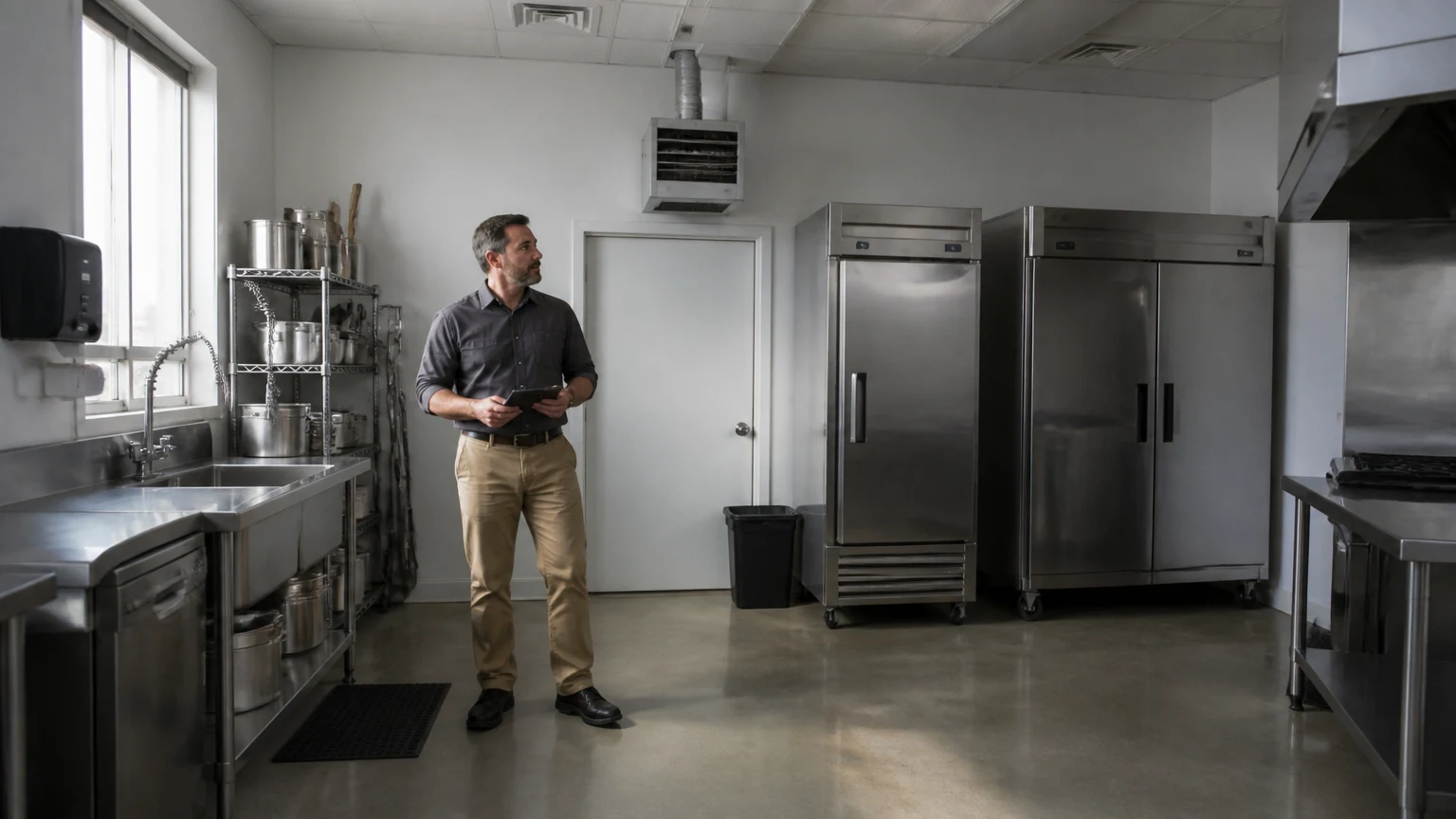
Compare the actual coverage forms, not just the premium. Look at what each policy covers for property, liability, food spoilage, liquor exposure, employees, and business interruption, then read the exclusions and endorsements that narrow those promises. Restaurants carry unusual risks, so two similarly priced quotes can behave very differently after a fire, injury, or forced closure. Coverage depends on policy wording.
Short Answer
For useful background, see What Does Restaurant Insurance Not Cover? Key Exclusions.
Compare the actual coverage forms, not just the premium. Look at what each policy covers for property, liability, food spoilage, liquor exposure, employees, and business interruption, then read the exclusions and endorsements that narrow those promises. Restaurants carry unusual risks, so two similarly priced quotes can behave very differently after a fire, injury, or forced closure.
Key Takeaways
A practical next step is Is Restaurant Insurance Worth It? When the Coverage Pays Off.
- Premium alone tells you little; exclusions and endorsements decide how a claim may play out.
- Restaurant risk mixes property, cooking equipment, food stock, guests, alcohol, and employee exposures.
- Business interruption wording matters because closures often cost more than physical damage.
- Liquor liability is usually addressed separately and can vary widely between insurers.
- Workers’ compensation requirements depend on your state and your employee arrangement.
- Ask each insurer how claims are reported, handled, and who approves repairs.
Why Restaurant Risk Looks Different From Other Small Business Risk
Another helpful reference is Restaurant Insurance: What It Covers and How It Works.
A restaurant combines exposures that most retail or office businesses never face at once. You have open flame and hot grease near ventilation systems, refrigerated inventory that spoils when power fails, wet floors in busy walkways, delivery vehicles, and often alcohol service. Add tipped and part-time staff, seasonal swings, and a physical space you may be leasing rather than owning, and the risk picture becomes layered rather than simple.
Because of that layering, restaurant coverage is usually assembled from several parts rather than one document. A package or business owner’s policy may handle property and general liability, while spoilage, equipment breakdown, liquor liability, employment practices, cyber exposure, and workers’ compensation are often added or written separately. Two quotes can look comparable on price while covering different combinations of these pieces. Reading how each part is defined, and where each excludes something, is where genuine comparison happens.
The Failure Points That Surface After a Loss
For a related decision, read Restaurant Insurance Cost Guide: What Changes the Premium.
Most unpleasant surprises come from gaps rather than outright denials. A policy might respond to fire damage but treat the cost of cleaning grease-laden ductwork differently. Spoiled inventory may depend on how the outage started and whether a specific endorsement was added. Business interruption coverage may hinge on definitions of covered loss, restoration period, and documentation of income, which is difficult to reconstruct if bookkeeping is thin.
Liability wording carries its own edges. Claims involving alcohol service, assault on premises, food-related illness, delivery drivers using personal vehicles, or an employee dispute may fall under different forms or outside the policy entirely. None of this means a claim will be denied. It means the outcome depends on the specific wording, endorsements, declarations, and state law that apply to your operation, so those documents deserve review before you sign.
| Factor or Option | Why It Matters | Main Trade-off | What to Verify |
|---|---|---|---|
| Property and equipment | Covers building elements, kitchen equipment, and improvements you paid for | Broader terms and lower deductibles usually raise premium | How values are set, deductible structure, leased-space responsibilities |
| General and liquor liability | Responds to guest injury and alcohol-related claims | Alcohol exposure may require separate wording or higher cost | Whether liquor liability is included, excluded, or endorsed |
| Business interruption | Addresses lost income while you cannot operate normally | Longer restoration terms cost more and need better records | Trigger definitions, restoration period, required documentation |
| Spoilage and equipment breakdown | Covers inventory loss and mechanical failure of key units | Often optional, so cheap quotes may omit it | Whether it is added, what causes qualify, sublimits listed |
Common Mistakes
More context is available in The Case For and Against E-Commerce Business Insurance.
- Shopping on premium alone. The cheapest quote often strips optional coverages, so the savings quietly transfer risk back to you at the worst possible moment.
- Assuming a package policy covers everything a restaurant faces. Alcohol, spoilage, employee disputes, and cyber exposure are frequently handled by separate forms or endorsements.
- Skipping the exclusions and endorsement pages. Those pages define the real boundaries of coverage, and they can differ significantly between insurers offering similar-looking quotes.
- Describing operations inaccurately on the application. Understating alcohol sales, delivery, catering, or payroll can create problems later when the insurer reviews what was disclosed.
Practical Tips
- Write a one-page profile of your operation: hours, alcohol sales, delivery, catering, seating, equipment, payroll, and lease terms. Give the same profile to every insurer you approach.
- Request specimen policy forms, not just quote summaries. Compare the coverage grids, exclusions, and endorsement lists side by side before you look at price again.
- Ask each agent directly which restaurant exposures their proposal does not address. The answer reveals gaps faster than reading marketing material about the product.
- Confirm your state’s workers’ compensation rules for your staffing setup, including part-time and family employees, using official state guidance or a licensed professional.
- Check your lease and any vendor or franchise agreements for required coverages and limits, then make sure the proposals you compare actually satisfy them.
- Keep organized financial records and an equipment inventory with photos. Good documentation supports property and income claims and makes renewal conversations far easier.
What to Verify Before You Decide
Ask for the full policy package: declarations, coverage forms, endorsements, exclusions, and any schedules of covered property or equipment. Verify how the insurer values your property, how deductibles apply per event or per location, and whether sublimits exist for items like spoilage, signage, or outdoor areas. Confirm whether liquor liability is present and how it is worded, since it varies between carriers.
Check that the agent or broker is licensed in your state, and verify workers’ compensation obligations through your state’s official channels rather than assuming. Review your lease and vendor agreements for required coverage. If your operation involves significant alcohol service, delivery, multiple locations, or complex payroll, having a licensed insurance professional or attorney review the wording before you bind coverage is a reasonable step.
Frequently Asked Questions
Should I buy from one insurer or split coverage across several?
Both approaches are used. A single insurer can simplify billing and claims coordination, while splitting coverage may let you place difficult exposures like liquor liability with a specialist. Compare total cost, gaps between forms, and how each arrangement would handle a loss involving more than one coverage type.
How do I know if my limits are high enough?
Limits should reflect what a serious loss could actually cost you, including rebuilding, equipment replacement, lost income, and legal defense. Discuss realistic scenarios with a licensed agent, review any limits your lease or vendor contracts require, and revisit the numbers as your revenue, menu, or footprint changes.
Does adding safety measures affect what I pay?
Loss-prevention steps such as suppression system maintenance, staff training, alcohol service certification, and documented cleaning schedules are commonly viewed favorably by insurers, though pricing effects vary. Ask each carrier what they consider and what documentation they want. Treat improvements primarily as risk reduction rather than a guaranteed discount.
What should I do when it is time to renew?
Review whether your operation changed: new equipment, expanded hours, added delivery, more staff, or higher revenue. Compare the renewal offer against the expiring policy line by line, since forms and endorsements can change quietly. Ask about any adjustments to deductibles, sublimits, or exclusions before accepting.
Bottom Line
Choose restaurant insurance by comparing coverage structure first and price second. Map your real exposures, request specimen forms from each insurer, and read the exclusions and endorsements that define the limits of each promise. Confirm state workers’ compensation rules, lease requirements, and how liquor liability is handled. When the wording is complex or the stakes are high, have a licensed professional review it before you commit.