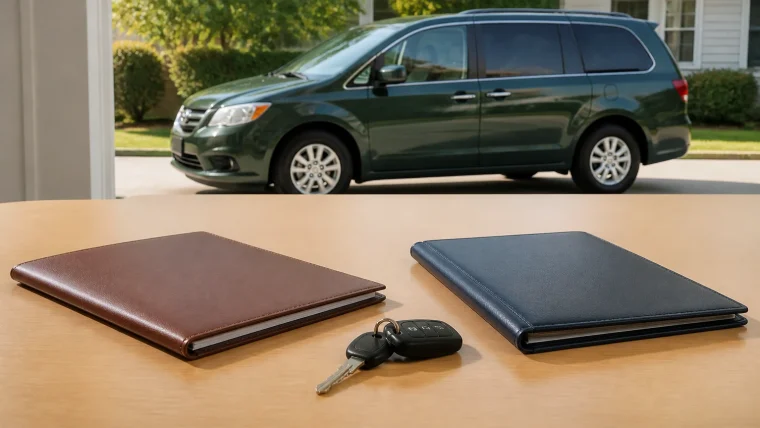
Car insurance is one of those expenses that quietly eats into your monthly budget, yet most drivers rarely take the time to compare options. Whether you are renewing an existing policy or shopping for coverage for the first time, understanding how to evaluate car insurance rates can help you find better value without sacrificing the protection you need. The process involves more than just looking at the monthly premium. It requires a careful look at coverage limits, deductibles, discounts, and the overall reputation of the insurance company. Every driver’s situation is unique, and the best rate for one person may not be the best rate for another.
Short Answer
For useful background, see Why Car Insurance Rates Can Change After a Major Event.
Comparing car insurance rates means gathering quotes from multiple insurers using the same coverage levels, deductibles, and driver information, then evaluating the total value each policy offers. The cheapest premium is not always the best deal if it comes with higher deductibles, lower limits, or poor customer service. Finding better value means balancing cost with coverage quality, financial stability, and claims satisfaction. Because rates vary by insurer, state, vehicle, and driver profile, taking the time to compare apples to apples can reveal meaningful savings or better protection for a similar price.
Key Takeaways
A practical next step is The Overlooked Details That Can Increase Car Insurance Rates.
- Always request quotes using identical coverage limits, deductibles, and personal information to ensure a fair comparison.
- The lowest premium does not guarantee the best value if it means weaker coverage or higher out-of-pocket costs during a claim.
- Discounts, bundling options, and usage-based programs can significantly affect your final rate.
- Insurer financial strength ratings and customer satisfaction scores matter just as much as the price tag.
- Your rate can change based on life events, so reviewing your policy annually is a smart habit.
- Coverage requirements, eligibility rules, and available discounts vary by state, insurer, and individual circumstances.
Understanding How Car Insurance Rates Are Calculated
Another helpful reference is What Makes Car Insurance Rates Rise? The Biggest Cost Drivers.
Every insurance company uses its own formula to determine how much you will pay for coverage. These formulas consider a wide range of factors, including your driving history, age, location, vehicle type, credit-based insurance score (where permitted), annual mileage, and coverage selections. Because each insurer weighs these factors differently, two companies can offer vastly different premiums for the exact same driver and vehicle. This is why comparing rates across multiple companies is so important. One insurer might view a particular factor as a significant risk, while another might consider it less impactful. Understanding that rates are highly individualized helps set realistic expectations when you begin shopping around. No single website or quote tool can show you every available rate, so gathering multiple personalized quotes remains the most reliable way to compare.
Step-by-Step Process for Comparing Quotes
For a related decision, read What Goes Into the Car Insurance Rates Calculation?.
Comparing car insurance rates effectively requires a structured approach. Start by gathering your current policy details, including your coverage limits, deductibles, and any add-ons like roadside assistance or rental reimbursement. When requesting new quotes, use these exact same parameters so you are comparing equivalent coverage. Next, reach out to at least three to five insurance companies. You can do this through independent agents, direct-to-consumer websites, or by calling insurers individually. As quotes come in, organize them side by side. Look beyond the monthly premium and examine the deductible amounts, liability limits, comprehensive and collision terms, and any exclusions. Consider the insurer’s claims process, financial strength ratings from agencies like AM Best or Standard and Poor’s, and customer reviews. Finally, factor in any available discounts such as multi-policy, safe driver, or low-mileage programs. This thorough comparison helps you identify which policy delivers the best overall value for your specific situation.
| Factor or Option | Why It Matters | Main Trade-off | What to Verify |
|---|---|---|---|
| Liability Limits | Protects you from out-of-pocket costs if you cause an accident | Higher limits increase premium but reduce financial risk | Confirm limits meet or exceed your state requirements and personal asset protection needs |
| Deductible Amount | Determines your out-of-pocket cost before insurance pays on a claim | Higher deductibles lower premiums but increase costs at claim time | Ensure you can comfortably afford the deductible if a claim occurs |
| Comprehensive and Collision | Covers damage to your own vehicle from accidents and non-collision events | Adding these coverages raises premium but protects your vehicle investment | Check valuation method and any exclusions for specific types of damage |
| Discounts and Bundling | Can reduce your overall premium significantly | Bundling may lock you into one insurer for multiple policies | Verify which discounts apply automatically and which require application |
| Usage-Based Programs | Rewards safe or low-mileage driving with potential premium adjustments | Privacy trade-off since driving data is monitored | Understand how data is collected and whether rates can increase based on results |
Common Mistakes
More context is available in Hidden Factors That Can Raise Car Insurance Premiums.
- Comparing quotes with different coverage limits or deductibles, which leads to an inaccurate assessment of value.
- Focusing solely on the monthly premium while ignoring the deductible, coverage exclusions, and claims handling reputation.
- Failing to update personal information such as address, mileage, or vehicle usage, which can result in inaccurate quotes.
- Overlooking available discounts that could lower your rate without reducing coverage.
- Assuming your current insurer always offers the best rate without checking competitors periodically.
- Ignoring the financial strength and customer service ratings of the insurance company.
Practical Tips
- Set a calendar reminder to review your car insurance at least once a year or after major life changes like moving, buying a new vehicle, or adding a driver.
- Keep a detailed record of your current coverage so you can replicate it exactly when requesting new quotes.
- Ask each insurer about all available discounts, including those for safe driving, low mileage, professional affiliations, and defensive driving courses.
- Consider working with an independent agent who can pull quotes from multiple companies on your behalf.
- Read the fine print on any usage-based or telematics program to understand how your driving data will be used.
- Check the insurer’s financial strength ratings and complaint ratios through your state’s department of insurance.
- Do not automatically drop comprehensive or collision coverage without understanding how your vehicle’s value and your financial situation factor into that decision.
What to Verify Before You Decide
Before switching policies or committing to a new insurer, take time to verify several critical details. Confirm that the coverage limits and deductibles match what you need and that no important protections have been removed to lower the premium. Check whether the insurer offers the claims handling experience you expect, including options for repair shop selection and rental car coverage. Review the policy’s exclusion section to understand what is not covered. Verify that any advertised discounts have been applied to your final quote. Finally, make sure the insurer is licensed to operate in your state and has a solid track record with regulators. These steps help ensure that the rate you are seeing reflects genuine value and not just a low number on paper.
Frequently Asked Questions
How often should I compare car insurance rates?
It is generally a good idea to compare car insurance rates at least once a year. Your circumstances, vehicle value, and the competitive landscape can all change over time. Major life events such as moving to a new address, adding a teen driver, or purchasing a different vehicle are also good triggers to shop around. Keep in mind that eligibility, available discounts, and rate factors vary by insurer and state, so periodic comparison helps you stay informed.
Will comparing car insurance rates affect my credit score?
When insurers check your credit-based insurance score to generate a quote, it is typically considered a soft inquiry, which does not affect your credit score. However, credit-based insurance scoring is not permitted in all states, and not all insurers use it. The impact of credit on your rate, as well as whether a credit check is performed, depends on the insurer, your state regulations, and your individual profile.
Is the cheapest car insurance policy always the best choice?
Not necessarily. The cheapest policy may come with higher deductibles, lower liability limits, or fewer coverage options. It could also be from an insurer with a weaker financial position or poorer claims satisfaction. Better value means finding the right balance between cost and coverage that fits your personal needs, vehicle, and risk tolerance. Coverage options, eligibility, and claim outcomes vary by insurer and policy.
Can I negotiate car insurance rates directly with the company?
Car insurance rates are generally not negotiable in the traditional sense, since they are based on actuarial data and underwriting guidelines. However, you can often lower your rate by asking about available discounts, adjusting your coverage levels, changing your deductible, or bundling policies. Independent agents may also have access to multiple carriers and can help identify the most competitive option for your situation. The discounts and adjustments available depend on the insurer, your state, and your individual qualifications.
Bottom Line
Comparing car insurance rates is one of the most effective ways to find better value on a necessary expense. The key is to approach the process methodically by comparing equivalent coverage across multiple insurers, looking beyond the premium, and considering the overall quality of the company. Rates, coverage options, discounts, and eligibility criteria vary widely by insurer, state, vehicle, and driver profile, so what works for one person may not work for another. By taking the time to gather accurate quotes, verify important details, and evaluate the full picture, you can make a confident decision that protects both your vehicle and your wallet.