Short Answer
For useful background, see Hidden Factors That Can Raise Car Insurance Deductibles.
You should question higher car insurance deductibles when paying the deductible after a sudden loss would strain your budget, the premium reduction is small, your vehicle is financed or leased, or the car’s value makes certain coverage less useful. A higher deductible can lower premiums, but it shifts more immediate repair or replacement cost to you.
A deductible is the amount you generally pay toward a covered claim before the insurer pays its share, subject to the policy’s terms and coverage limit. It commonly applies separately to collision and comprehensive coverage. Collision generally addresses vehicle damage from a crash; comprehensive generally addresses covered events such as theft, hail, falling objects, or contact with an animal.
The right amount depends less on choosing the highest available option and more on whether you could reliably cover it tomorrow. Compare actual quotes, consider the vehicle’s value and claim risks, then check lender requirements and policy documents before changing coverage.
Key Takeaways
A practical next step is Myths About Car Insurance Deductibles That Can Cost You.
- A higher deductible usually means accepting more claim cost in exchange for a lower premium.
- The premium difference may be too small to justify substantially greater out-of-pocket exposure.
- Emergency savings matter because covered damage can occur without warning.
- Collision and comprehensive deductibles may differ, allowing separate choices for separate risks.
- Loans and leases may restrict how high a deductible can be.
- A deductible decision should include vehicle value, policy terms, repair costs, and claim frequency—not premium alone.
What a Higher Deductible Changes
Another helpful reference is Why Car Insurance Deductibles Can Be So High.
Raising a deductible does not normally increase the policy’s coverage limit or expand what events are covered. It changes how a covered loss is divided between you and the insurer. If repair costs exceed the applicable deductible, the insurer generally pays the remaining covered amount, up to applicable limits and after adjustments required by the contract. If damage costs less than the deductible, there may be no payment.
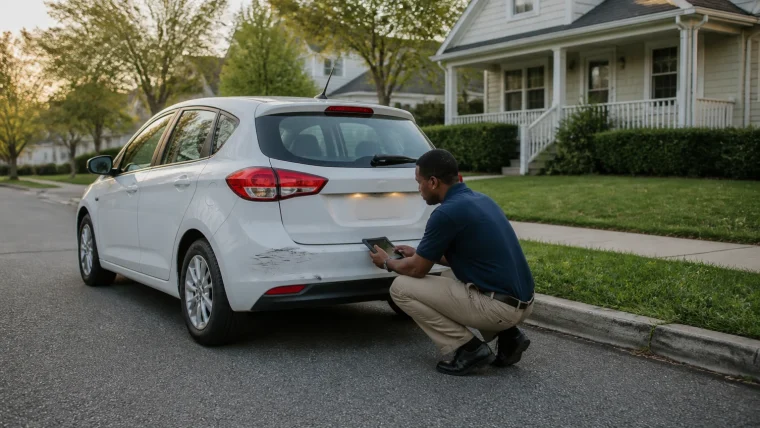
For example, minor body damage might cost less than a high collision deductible. You would handle the full bill even though collision coverage remains on the policy. With a larger covered loss, the deductible still reduces the insurer’s payment. Exact claim handling depends on estimates, valuation, exclusions, limits, and policy language.
Higher deductibles can make sense for someone with accessible savings, a stable budget, and meaningful premium savings. They deserve closer scrutiny when savings are limited, multiple household vehicles could be damaged by one event, or the driver depends on the car for essential transportation. A deductible should be treated as retained risk: money you agree to absorb rather than transfer to the insurer.
| Factor or Option | Why It Matters | Main Trade-off | What to Verify |
|---|---|---|---|
| Lower deductible | Reduces your share of a covered loss | Usually raises the premium | Quote difference and claim terms |
| Higher deductible | May reduce recurring premium | Raises immediate out-of-pocket cost | Available savings and payment timing |
| Collision coverage | Addresses certain crash damage | Cost may outweigh value on some cars | Deductible, exclusions, and vehicle value |
| Comprehensive coverage | Addresses specified non-collision events | Risk varies by location and vehicle | Covered events and glass treatment |
| Loan or lease | Contract may require physical-damage coverage | Limits deductible flexibility | Lender or leasing agreement |
When to Reconsider the Deductible
For a related decision, read Car Insurance Deductibles: How the Number Is Calculated.
Start by asking whether the deductible is affordable as an unplanned expense, not merely possible to pay eventually. Repair shops, lenders, or insurers may expect payment before the vehicle is released or a claim is completed. Depending on reimbursement that arrives later, a credit card, or next month’s income can turn a claim into costly debt or delayed transportation.
Next, compare the premium for each available deductible using otherwise identical coverage. A modest premium reduction may require a long claim-free period to offset the additional amount you would owe after one covered loss. This is not a prediction of future savings; it is a break-even comparison. Divide the added deductible exposure by the periodic premium difference, while recognizing that premiums can change at renewal.
Question the choice again after a major budget or vehicle change. Buying a different car, losing access to savings, adding a young driver, moving, changing mileage, or paying off a loan can alter the trade-off. Location may affect exposure to theft, storms, wildlife, vandalism, or crowded parking. Those factors do not prove a claim will occur, but they help identify which losses would be especially difficult to absorb.
Also consider the car’s current value. For an older vehicle, collision or comprehensive benefits may be limited by the insurer’s valuation and policy terms. A high deductible could leave little potential payment after a total loss. Do not cancel required coverage or assume the car has minimal value without checking market evidence, lender obligations, and the insurer’s valuation approach.
Common Mistakes
More context is available in Mistakes to Avoid With Full Coverage Car Insurance.
- Choosing by premium alone: A lower bill looks attractive, but it can conceal an unaffordable obligation when a claim occurs.
- Assuming every claim has one deductible: Collision, comprehensive, glass, and other policy features may work differently. Misunderstanding which amount applies can distort the comparison.
- Using an emergency fund twice: Money earmarked for rent, medical needs, or essential repairs may not truly be available for a car claim.
- Ignoring a lender or lease: Selecting a deductible outside contractual requirements may create compliance problems or trigger lender action.
- Dropping coverage without valuing the car: Guessing too low can leave a household unable to replace essential transportation after theft or a total loss.
- Assuming filing is always worthwhile: Damage near or below the deductible may produce little or no payment, while claim-reporting duties still depend on the policy and circumstances.
Practical Tips
- Set an affordable ceiling. Identify the largest amount you could pay promptly without borrowing, missing bills, or draining funds needed for another likely emergency.
- Request matched quotes. Compare deductible options while keeping drivers, vehicles, limits, discounts, and other coverage selections unchanged.
- Calculate added exposure. Note how much more you would owe under each higher option, then compare that amount with the actual premium difference.
- Review deductibles separately. Collision and comprehensive risks differ. Ask whether the insurer permits different amounts and whether special glass terms apply.
- Check the vehicle’s realistic value. Use several current local market references, then ask how the insurer determines actual cash value after a total loss.
- Protect the deductible fund. Keep the amount accessible and separate from money committed to routine bills. Replenish it after using it for another emergency.
- Recheck at renewal. Fresh quotes may change the math. Review the decision after moving, changing vehicles, paying off financing, or experiencing a major income shift.
What to Verify Before You Decide
Read the policy declarations page, which summarizes selected coverage, limits, vehicles, and deductibles. Then review the full contract for covered losses, exclusions, valuation language, claim duties, and any separate treatment of glass, rental transportation, custom equipment, or roadside services. Ask the insurer or licensed agent to explain unclear provisions in writing.
Confirm the premium for every deductible option rather than relying on a general assumption that higher always means dramatically cheaper. Ask whether a change takes effect immediately or at renewal and whether underwriting review is involved. Pricing and availability vary by insurer, driver, vehicle, location, and state.
If the vehicle is financed or leased, check the signed agreement and contact the lender or leasing company about maximum permitted deductibles. State insurance departments can provide general consumer information and complaint channels, but they do not replace your policy contract or individualized guidance from a licensed insurance professional.
Frequently Asked Questions
Does a higher deductible always lower car insurance premiums?
It commonly lowers the portion of the premium tied to that coverage, but not always by enough to justify the added risk. Other coverages and rating factors remain. Obtain matched quotes from the insurer to see the actual difference available for your policy.
Should collision and comprehensive have the same deductible?
Not necessarily. Insurers may offer different choices because the coverages address different events. A driver might prefer a lower comprehensive deductible where hail, theft, or animal contact is a concern. Compare prices, covered events, and affordability rather than assuming the amounts must match.
What happens if repairs cost less than my deductible?
The insurer generally will not pay when covered repair costs remain below the applicable deductible. You may still have reporting obligations, especially after a crash involving another person, injury, or property. Follow policy instructions and applicable state requirements rather than deciding solely from visible damage.
Should I raise the deductible after paying off my car?
Paying off a loan removes lender requirements, but it does not automatically make a higher deductible suitable. Consider replacement ability, vehicle value, premium savings, daily transportation needs, and available cash. You may also reassess whether collision and comprehensive coverage still fit, using confirmed values and quotes.
Bottom Line
Question a higher car insurance deductible whenever the premium reduction looks small compared with the extra amount you would owe, or when that payment could disrupt essential finances. Higher deductibles can fit drivers who have accessible savings and understand the added risk, but they are not automatically the economical choice.
Before acting, compare matched quotes, value the vehicle, read the policy, and confirm loan or lease restrictions. Choose an amount you could handle after an unexpected loss—not one that works only if no claim occurs.