Short Answer
For useful background, see How Collision Coverage Works—and What Protection You Get.
Collision coverage costs vary because insurers evaluate the vehicle, selected deductible, driver and household history, location, annual use, prior claims, and expected repair expenses. A newer or costly-to-repair vehicle generally raises the premium, while choosing a higher deductible may lower it. Each insurer weighs these factors differently, so comparable quotes can produce different prices.
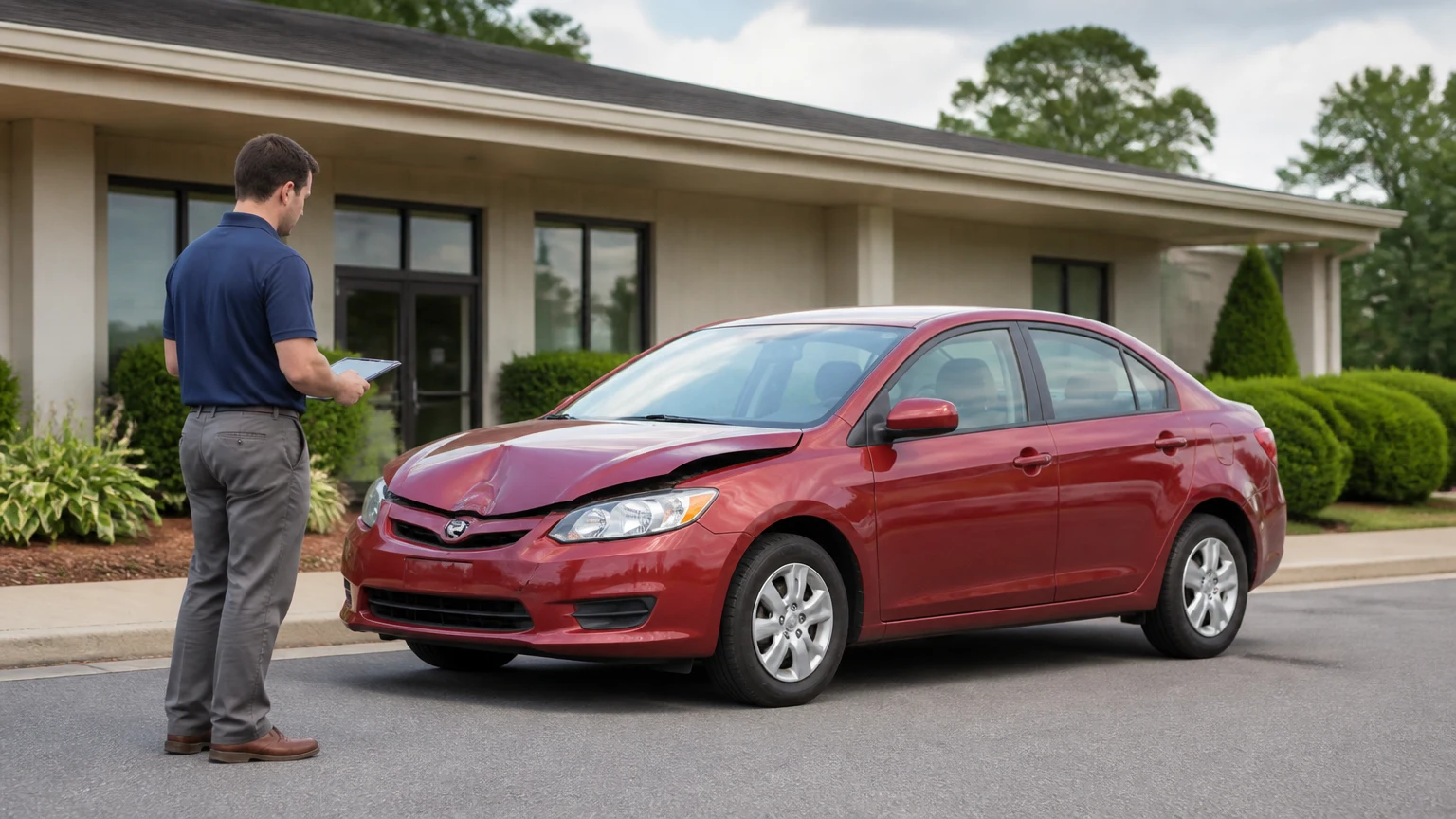
Collision coverage pays for covered damage to your vehicle after a crash with another vehicle or object, subject to the policy terms and deductible. It may also apply to a rollover or certain single-car accidents. It does not ordinarily cover routine wear, mechanical failure, theft, weather damage, medical bills, or damage you cause to someone else’s property.
Key Takeaways
A practical next step is Do You Need Collision Coverage? Who Should Consider It.
- Vehicle characteristics matter: Value, repair complexity, parts availability, and safety technology can affect expected claim costs.
- Your deductible changes the split: A higher deductible transfers more claim cost to you, often reducing the premium.
- Driving information influences pricing: Accidents, claims, mileage, household drivers, and vehicle use may be considered.
- Location can change risk: Traffic density, crash patterns, repair labor, claim frequency, and local costs vary.
- Lenders may require coverage: Financing or leasing agreements often require collision, even when state law does not.
- Quotes need matching details: Compare the same deductible, limits, drivers, vehicle, endorsements, and policy period.
Why Collision Coverage Premiums Differ
Another helpful reference is Who Needs Uninsured Motorist Coverage—and Who May Not?.
An insurer begins with the possibility that your vehicle will have a covered collision claim and the likely cost of that claim. The company applies its own rating model, approved where required by state regulators. That model may combine vehicle data, driver information, location, coverage selections, discounts, and other state-permitted factors. Because models differ, no single factor determines the final premium.
Vehicle value is only part of the calculation. Repairability can matter as much as market value. Cameras, sensors, specialty materials, limited parts, and labor-intensive construction may increase repair expenses. A modest-looking impact can require calibration or replacement of connected components. Conversely, widely available parts and straightforward repairs may reduce expected costs, though they do not guarantee a lower quote.
Your driving record and claims history may indicate the likelihood of future claims. Insurers may also ask how the vehicle is used, where it is kept, how far it is driven, and which household members can operate it. A daily commute in dense traffic presents a different exposure from occasional local use. Definitions and rating practices vary by insurer and state.
Location affects both claim frequency and claim severity, meaning how often losses happen and how expensive they become. Congestion, road conditions, repair labor, litigation patterns, and local vehicle theft or vandalism experience can influence broader auto pricing. Theft and vandalism are usually comprehensive claims, but area-level information may still interact with an insurer’s overall rating approach.
How Coverage Choices Turn Into Your Price
For a related decision, read Do You Need Comprehensive Coverage? Who Should Consider It.
The process starts when you or an agent provides driver, vehicle, garaging, and usage information. The insurer verifies available records, applies its underwriting rules, then prices the selected coverages. Underwriting is the insurer’s process for deciding whether and on what terms it will offer a policy. Incorrect inputs can produce a quote that changes after verification.
| Factor or Option | Why It Matters | Main Trade-off | What to Verify |
|---|---|---|---|
| Deductible | Sets what you pay toward a covered collision claim | Higher deductible may reduce premium but increases out-of-pocket exposure | Available amounts and whether they apply per claim |
| Vehicle | Repair cost, value, parts, and technology affect expected losses | Preferred features can cost more to repair | VIN, trim, equipment, and vehicle use |
| Drivers | Records, experience, and household access may affect rating | Adding access can change cost or eligibility | Listed, excluded, and permitted drivers |
| Usage and location | Mileage, commute, business use, and garaging shape exposure | Less use may help, but inaccurate reporting risks problems | Annual mileage and primary garaging address |
| Discounts or programs | Bundling, safety features, or telematics may affect price | Eligibility, data collection, and renewal treatment vary | Terms, duration, privacy disclosures, and requirements |
The deductible is subtracted from a covered claim payment. If covered repair costs do not exceed it, collision coverage pays nothing. If the vehicle is declared a total loss, payment is generally based on the policy’s valuation method, less the deductible and subject to policy terms. A loan balance does not determine the vehicle’s covered value, and collision does not replace gap coverage.
Common Mistakes
More context is available in What Does Teen Driver Insurance Not Cover? Key Exclusions.
- Comparing unmatched quotes: Different deductibles, drivers, mileage, or optional protections make price comparisons misleading.
- Choosing a deductible only for the discount: A lower premium can create an unaffordable bill when a claim occurs.
- Assuming collision covers every vehicle loss: Weather, theft, animal impacts, and glass losses usually fall under comprehensive coverage, subject to terms.
- Leaving usage information outdated: A changed commute, address, driver, or business use can affect rating and claim handling.
- Dropping coverage without checking financing: A lender or leasing company may require collision and may impose coverage if it lapses.
- Judging value by premium alone: Claim service, exclusions, repair provisions, endorsements, and insurer stability also deserve review.
Practical Tips
- Gather the VIN, current mileage, garaging address, driver details, and realistic annual use before requesting quotes.
- Request multiple deductible options. Compare the premium difference with the extra amount you could owe after a claim.
- Keep quote inputs identical, including policy dates, drivers, usage, coverages, and optional endorsements.
- Ask which discounts were applied, what maintains eligibility, and whether any discount changes at renewal.
- Review the vehicle’s approximate current value and loan balance separately; they answer different financial questions.
- Maintain accessible savings for the deductible rather than assuming claim proceeds will cover the entire repair bill.
- Requote after meaningful changes, such as moving, replacing a vehicle, changing drivers, or substantially changing mileage.
- Read the policy forms before canceling existing coverage; a quote summary is not the full insurance contract.
What to Verify Before You Decide
Confirm the collision deductible, covered vehicles, named insureds, listed drivers, garaging address, usage classification, policy dates, and premium payment schedule. Review exclusions, appraisal provisions, total-loss valuation language, repair-parts provisions, rental coverage, and any special endorsements. Rental reimbursement is separate from collision and is not automatically included.
If the vehicle is financed or leased, check the contract for required deductibles, coverage standards, and loss-payee instructions. Ask the lender or leasing company directly when wording is unclear. Also verify whether gap protection exists, who provides it, when it applies, and how it can end.
Use the insurer’s quote, declarations page, policy forms, and written notices as primary documents. Ask a licensed insurance agent or the insurer to explain unclear terms. State insurance departments can provide consumer information and complaint resources. Do not rely solely on a verbal summary, advertisement, or prior policy because rules, filings, and personal circumstances can change.
Frequently Asked Questions
Is collision coverage required by law?
States generally focus on liability coverage for injuries or property damage you cause, not collision coverage for your own vehicle. A lender or leasing company may still require collision under the financing agreement. Verify current state requirements with the state insurance department and contractual requirements with the lender or lessor.
Does a higher deductible always lower the premium?
A higher collision deductible often lowers that portion of the premium, but the size of the change depends on the insurer, vehicle, location, and available deductible choices. It also increases what you must absorb after a covered loss. Compare actual quotes rather than assuming the premium reduction will justify the added exposure.
When might dropping collision make sense?
It may be worth evaluating when a vehicle’s current value is low relative to the premium and deductible, or when you could replace it without insurance proceeds. There is no universal cutoff. Consider financing requirements, transportation needs, savings, likely claim payment, and tolerance for loss before changing coverage.
Will collision coverage pay off my auto loan?
Not necessarily. A covered total-loss payment generally follows the policy’s vehicle valuation terms, minus the deductible, rather than the remaining loan balance. If the balance is higher, you may owe the difference. Gap protection may address certain shortfalls, but eligibility, exclusions, cancellation terms, and payment rules vary by contract.
Bottom Line
Collision coverage pricing reflects expected crash losses, repair costs, driver and vehicle details, location, usage, underwriting, and your deductible. Some inputs, such as vehicle choice and deductible, offer limited control; others do not. Compare matching quotes, keep information accurate, and judge the premium alongside deductible affordability and vehicle value. Before acting, verify the policy forms, declarations, financing agreement, and written answers from the insurer or licensed agent.