Short Answer
For useful background, see When Should You File Car Insurance Claims?.
The documents and evidence that support a car insurance claim typically include the insurance policy information, driver and vehicle details, photographs or video, a police or incident report when available, witness information, repair estimates, medical records, and receipts for claim-related expenses. The exact materials depend on whether the claim involves collision damage, theft, injuries, property damage, or another type of loss.
Good evidence helps the insurer confirm what happened, determine which coverage may apply, evaluate the damage, and calculate a payment under the policy. Not every claim needs every document. A minor parking-lot scrape may require photographs and repair information, while an injury claim may involve medical bills, treatment records, wage documentation, and ongoing communication with multiple insurers.
Key Takeaways
A practical next step is What Can Delay or Deny Car Insurance Claims?.
- Start with basic identifiers: Have the policy number, vehicle information, driver details, and date and location of the incident ready.
- Preserve the scene safely: Photos, video, witness contacts, and contemporaneous notes can document conditions that may change quickly.
- Match evidence to the loss: Vehicle damage, injuries, theft, towing, rental costs, and damaged personal property require different support.
- Keep original records: Save bills, estimates, reports, correspondence, and electronic files even after sending copies to the insurer.
- Separate facts from assumptions: Describe what you observed without guessing about speed, fault, injuries, or repair costs.
- Verify policy requirements: Deadlines, covered expenses, deductibles, appraisal procedures, and documentation standards vary by policy and state.
Which Records Support Different Parts of a Claim?
Another helpful reference is How Car Insurance Claims Work From Filing to Payout.
A claim file usually combines documents, which are formal records such as invoices or reports, with evidence, which may include photographs, physical damage, witness observations, or electronic data. Their usefulness depends on what must be established: that a covered event occurred, what was damaged, who was involved, and how much the loss may be worth.
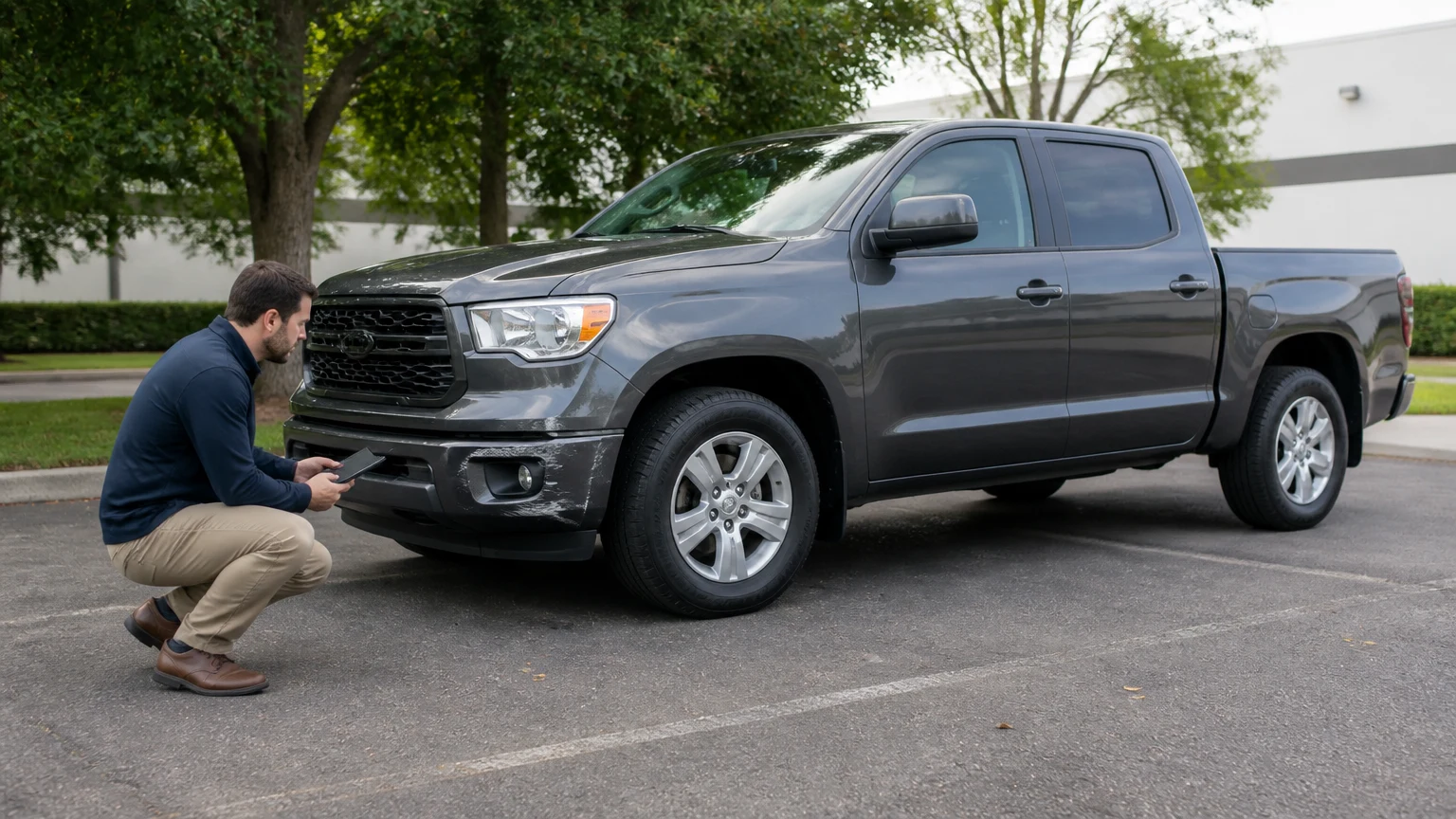
Photos are often most useful when they show both context and detail. Wide views can show vehicle positions, lanes, signs, weather, and surrounding property. Close views can show dents, broken components, debris, and license plates. If it is safe, capture multiple angles before vehicles are moved. Avoid entering traffic or remaining near an unsafe vehicle merely to collect evidence.
| Factor or Option | Why It Matters | Main Trade-off | What to Verify |
|---|---|---|---|
| Photos and video | Show visible damage and scene conditions | Images may lack context or miss hidden damage | Date, location, original files, and backup copies |
| Police or incident report | Records participants and reported facts | A report may not determine insurance liability | Report number, agency, and correction process |
| Repair estimate | Describes expected labor, parts, and procedures | Costs can change after disassembly | Shop credentials, insurer process, and supplements |
| Medical documentation | Connects evaluation, treatment, and expenses to injuries | Records may contain sensitive information | Requested scope, authorization, and billing accuracy |
| Receipts and financial records | Support towing, transportation, or income-loss requests | Not every expense is covered or reimbursable | Coverage limits, exclusions, and required proof |
A police report can be valuable, but it is not automatically conclusive. It may contain statements from drivers and witnesses, basic diagrams, citations, or an officer’s observations. Insurers may also consider vehicle damage, policy language, state law, and conflicting accounts. Obtain the report through the responding agency and ask about its procedure for addressing factual errors.
How Evidence Moves Through the Claim Process
For a related decision, read Car Insurance Claims Timeline: What Happens at Each Step.
First, report the incident through the method listed by the insurer and record the claim number. Provide the basic facts, including when and where the event happened, which vehicles or property were involved, and whether anyone reported an injury. Prompt notice can make evidence easier to preserve, but do not speculate when information is uncertain.
Next, an adjuster reviews coverage and investigates the loss. The adjuster may request statements, photographs, a vehicle inspection, repair estimates, proof of ownership, medical documentation, or permission to obtain particular records. A request does not necessarily mean the expense will be covered. Coverage depends on the policy, applicable endorsements, exclusions, deductibles, limits, and facts of the incident.
For vehicle damage, the insurer or repair facility may prepare an initial estimate. Hidden damage discovered during repairs can lead to a supplement, meaning an added request for work or parts not included initially. Ask whether the shop submits supplements directly and whether approval is expected before additional work begins.
For injury or income-loss claims, documentation may develop over time. Bills, treatment records, employer statements, tax records, or other proof might be requested, depending on the claim. Review any medical or financial authorization before signing it. Ask what information is being requested, for what period, and for what purpose. Consider qualified legal advice if injuries are serious, responsibility is disputed, or a proposed authorization seems unusually broad.
Common Mistakes
More context is available in The Fine Print That Can Reduce Car Insurance Discounts.
- Taking only close-up photos: Damage details matter, but missing scene context can make positions and conditions harder to understand.
- Discarding receipts or damaged items: Without records or permission from the insurer, proving ownership, condition, or expense may become more difficult.
- Editing original images: Cropping, filters, or annotations can remove useful metadata or create questions about what the original showed.
- Guessing during a recorded statement: An inaccurate estimate may conflict with later evidence. It is better to identify what you do not know.
- Authorizing repairs too quickly: Starting work before inspection or approval may create disputes about methods, parts, or charges.
- Assuming every cost is reimbursed: Rental transportation, towing, storage, personal property, and lost income may have separate limits or may not be covered.
Practical Tips
- Protect people first. Contact emergency services when appropriate, follow responder directions, and gather evidence only when conditions are safe.
- Create a claim folder. Store the claim number, policy documents, photographs, reports, estimates, bills, and correspondence in one backed-up location.
- Write a factual timeline. Note the sequence of events, road and weather conditions, conversations, and when symptoms or vehicle problems appeared.
- Preserve original files. Keep unedited photos and videos with their timestamps and metadata, then send copies in the format the insurer accepts.
- Track every expense. Retain itemized receipts and note why each cost resulted from the incident rather than relying on bank statements alone.
- Confirm verbal instructions. After an important call, send or request a written summary covering inspections, documents, repair authorization, and next steps.
- Use neutral descriptions. Report observations accurately without admitting or assigning fault, exaggerating damage, or minimizing possible injuries.
What to Verify Before You Decide
Read the declarations page and relevant policy sections rather than relying only on a coverage label. Verify which vehicle and drivers are listed, the coverage in effect on the incident date, deductibles, limits, exclusions, notice duties, appraisal provisions, and rules for temporary transportation or towing. Ask the insurer to identify the policy language supporting a documentation request or coverage decision.
Before choosing a repair shop, signing a release, disposing of property, or accepting a payment, confirm whether another inspection is needed and what the payment resolves. Determine whether it is an initial, supplemental, partial, or final payment. Also verify state-specific claim information through the state insurance department and seek guidance from a licensed insurance professional or attorney when the financial or legal consequences are significant.
Frequently Asked Questions
Do I need a police report to file a car insurance claim?
Not necessarily. An insurer can often open a claim without one, but a report may help document participants, reported statements, and scene facts. Reporting duties vary by state and circumstances, especially when injuries, major damage, hit-and-run events, or government property are involved. Check local law and the policy’s notice requirements.
What if I did not take photos at the accident scene?
You can still document the claim. Photograph the vehicle before repairs, write down what you remember, preserve messages or dash-camera files, request available reports, and provide witness contacts. Repair inspections and damage patterns may offer additional information, although later photographs cannot fully recreate changing scene conditions.
Should I send my complete medical history to the insurer?
Do not assume every medical record is relevant. Ask the requesting insurer to explain the scope, dates, purpose, and authorization involved. Injury claims may require records that support diagnosis, treatment, causation, and expenses, but broad requests can expose unrelated private information. Consider legal guidance before signing an expansive authorization.
How long should I keep claim records?
Keep the complete file while the claim, repairs, treatment, payment questions, or disputes remain unresolved. After closure, retention needs can depend on state deadlines, tax considerations, warranties, and possible later issues. Ask the insurer and appropriate licensed professionals about the period that applies to your situation before deleting or discarding records.
Bottom Line
The strongest car insurance claim file is organized, factual, and tailored to the loss. Preserve original scene evidence, collect records that connect each claimed expense to the incident, and keep written confirmation of important decisions. More paperwork is not always better; relevant, clear, and verifiable evidence is what helps most.
Before repairs, releases, or settlement decisions, compare the request or offer with the actual policy and claim documents. Coverage and procedures differ, so verify uncertain terms with the insurer, state insurance department, repair professional, medical provider, or qualified attorney as appropriate.