Short Answer
For useful background, see Home Insurance Inspections: What Inspectors Review and Why.
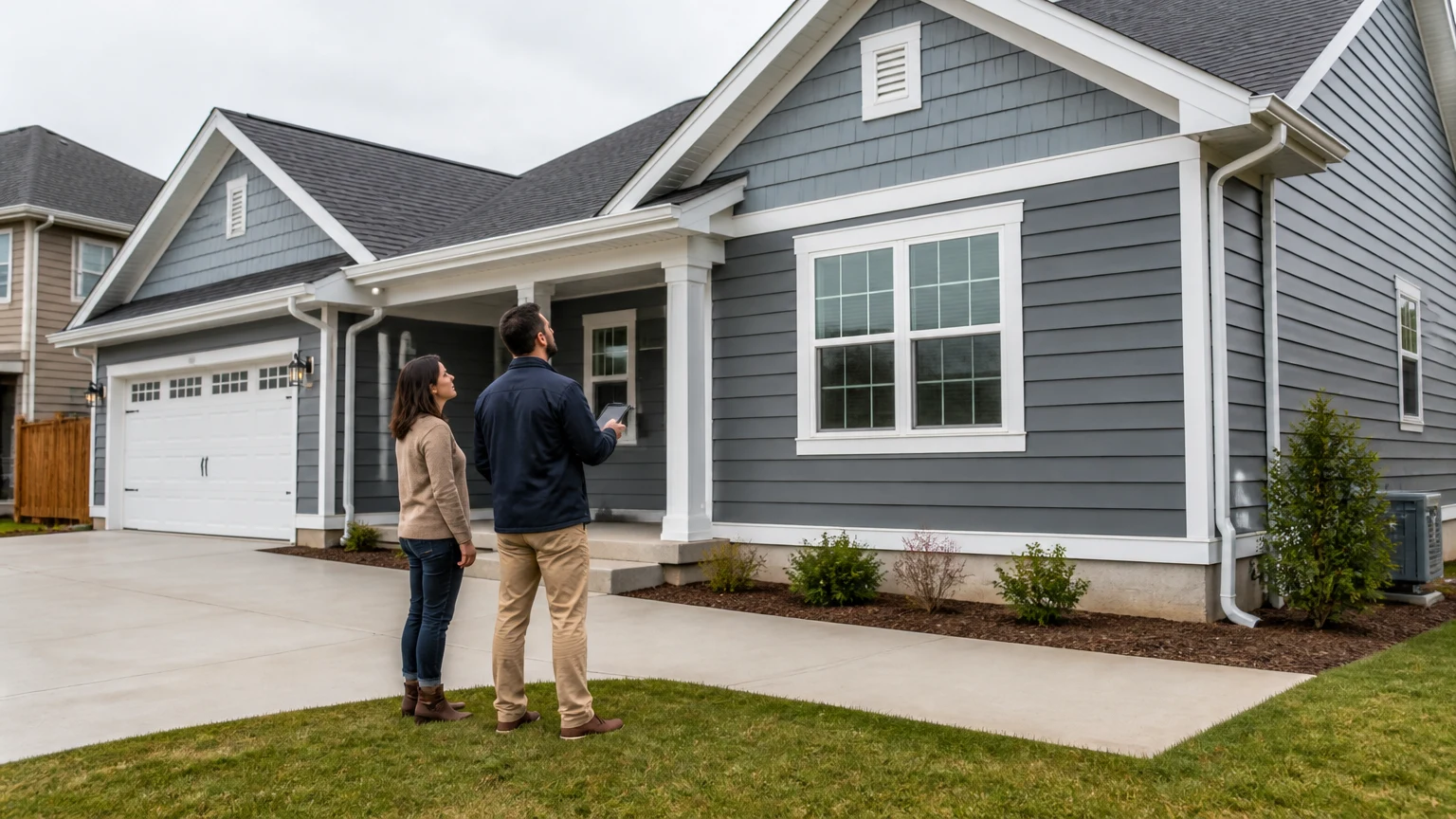
A home insurance inspection evaluates a property’s condition, replacement characteristics, and potential risks so an insurer can confirm eligibility and pricing. The insurer often pays for an inspection it orders, but homeowners may pay for requested repairs or separate specialist evaluations. Timing ranges from before coverage begins to shortly after issuance, depending on the insurer, property, and policy.
This is not the same as a buyer’s home inspection. A buyer’s inspection primarily helps someone understand a property before purchasing it. An insurance inspection supports an underwriting decision—the insurer’s process for evaluating whether and on what terms it will cover a risk. The inspector generally documents observable conditions rather than guaranteeing that every defect has been found.
Results may confirm the original quote, lead to questions, require corrections, change coverage or pricing, or cause the insurer to decline or discontinue coverage when permitted. Practices and notice requirements vary by insurer and state, so review written communications carefully.
Key Takeaways
A practical next step is Who Needs Home Insurance Inspections—and When Can You Skip One?.
- An insurer-ordered inspection commonly has no separate charge to the homeowner, although related repairs can be costly.
- Property age, size, location, construction, claims concerns, and visible hazards can affect the inspection’s scope.
- Inspections may occur before binding, during underwriting, or after a policy takes effect.
- Exterior inspections are limited, while interior or specialist inspections provide more detail.
- Roof condition, electrical systems, plumbing, heating, access, and liability hazards commonly receive attention.
- Homeowners should verify deadlines, required proof, appeal options, and coverage consequences in writing.
What Inspectors Review and What Drives the Cost
Another helpful reference is Are Home Insurance Discounts Available to You? What to Check.
The inspection type usually reflects the information the insurer needs. A basic exterior review may document the roof, siding, foundation, detached structures, property access, trees, and visible hazards. A more detailed visit may include interior systems, water damage, maintenance conditions, or measurements used to estimate rebuilding needs.
Older houses, high-value homes, unusual construction, coastal or wildfire exposure, prior claims, and incomplete application details may lead to a more extensive review. An insurer might also request a focused evaluation of a roof, electrical panel, plumbing system, heating equipment, or another concern. A specialist’s report is different from the insurer’s general inspection and may be the homeowner’s financial responsibility.
Cost questions therefore have two parts. First is the inspection fee itself, which the ordering insurer often absorbs. Second is the cost of responding to findings. Trimming branches may be relatively straightforward, while replacing an aging roof or correcting electrical hazards can be substantial. Some conditions can be controlled through maintenance; the home’s age, location, and construction type generally cannot.
| Factor or Option | Why It Matters | Main Trade-off | What to Verify |
|---|---|---|---|
| Exterior inspection | Documents visible property and liability conditions | Less disruption but limited detail | Whether access or attendance is required |
| Interior inspection | Allows review of systems and indoor conditions | More information but requires entry | Rooms, systems, and documentation requested |
| Roof evaluation | Helps assess age, condition, and likely remaining usefulness | May identify expensive work | Accepted proof and evaluator qualifications |
| Specialist report | Addresses a specific technical concern | Better detail but possible homeowner expense | Who orders, pays, and selects the specialist |
| Repair requirement | May determine continued eligibility | Can preserve an option but strain the budget | Deadline, acceptable remedy, and consequences |
How the Inspection Process Usually Unfolds
For a related decision, read When Should You File Home Insurance Claims?.
The process starts when an application, renewal review, property record, photograph, or prior claim creates a need for more information. The insurer or an inspection vendor contacts the homeowner if an appointment or access is necessary. Some exterior reviews occur without an appointment where legally permitted, while interior visits should involve clear scheduling and identification.
Before the visit, ask who is coming, what areas will be reviewed, whether photographs or measurements will be taken, and whether pets or locked gates require arrangements. Gather records for recent roof, plumbing, electrical, heating, or structural work. Permits, paid invoices, contractor statements, and dated photographs may be more persuasive than a verbal description.
During the visit, the inspector records observable facts and may ask about system ages, renovations, occupancy, or unusual features. Avoid guessing. If information is unknown, say so and offer to locate reliable documentation. The inspector generally does not make the final coverage decision at the property; the report goes to an underwriter.
After review, the insurer may accept the risk as submitted, revise property details, request evidence, require repairs, alter available terms, or issue a cancellation or nonrenewal notice when allowed. Respond by the stated deadline. If a finding appears wrong, request the relevant details and ask what documentation can correct the record.
Common Mistakes
More context is available in What Does High-Value Home Insurance Not Cover? Key Exclusions.
- Assuming no appointment means no inspection: An exterior review may still occur, so unopened insurer messages can result in missed questions or deadlines.
- Treating the visit as a complete home inspection: Insurance reviews have a narrower purpose and should not replace a buyer’s inspection or qualified diagnosis of a suspected defect.
- Hiding or temporarily covering a problem: Inaccurate information can complicate underwriting and claims, while the underlying hazard remains.
- Making repairs without checking requirements: An insurer may require particular proof, materials, permits, or licensed work, making an unapproved shortcut ineffective.
- Waiting until the deadline to respond: Contractor availability and document processing can take time, reducing options if corrections are needed.
Practical Tips
- Read the inspection notice and policy communications promptly, noting the appointment, response deadline, and contact information.
- Confirm the visitor’s company and purpose through the insurer or agent before allowing interior access.
- Provide safe, reasonable access to requested areas without attempting hazardous roof, attic, electrical, or structural work yourself.
- Collect invoices, permits, warranties, photographs, and contractor records for updates that may not be visually obvious.
- Address ordinary maintenance such as loose handrails, obvious trip hazards, debris, or overhanging branches when it is safe and appropriate.
- Ask whether a flagged condition requires repair, replacement, professional evaluation, or simply clearer documentation.
- Submit requested proof through an approved channel and retain copies, delivery confirmation, and written responses.
- If major work is required, compare licensed contractors and discuss alternatives with the insurer before committing money.
What to Verify Before You Decide
Confirm who pays for the inspection and any follow-up report. Ask whether participation is required, what happens if access is refused, and whether the policy is currently active during the review. Verify the insurer’s repair standards, evidence requirements, deadlines, and whether an extension is possible.
For an adverse decision, read the formal notice rather than relying on a phone summary. Ask about correction, reconsideration, or appeal procedures and the effective date of any change. A licensed insurance agent can explain available policy options, while your state insurance department can provide information about applicable consumer rules. Contractors and licensed specialists should evaluate technical repairs within their fields.
Frequently Asked Questions
Do homeowners always pay for insurance inspections?
No. Insurers commonly pay vendors they hire for routine underwriting inspections. A homeowner may be responsible for repairs, reinspection charges if disclosed, or reports from roofers, electricians, engineers, or other specialists. Ask who authorized each service and obtain the payment responsibility in writing before proceeding.
Can an insurer cancel coverage after an inspection?
An inspection can contribute to cancellation or nonrenewal when the insurer identifies an unacceptable condition or inaccurate application information. The insurer’s ability to act, required notice, and available remedies depend on policy terms and state rules. Review the notice immediately and avoid assuming that planned repairs automatically preserve coverage.
Should I be home during the inspection?
Attendance is generally unnecessary for an exterior-only review but usually needed when interior access is requested. Confirm scheduling expectations with the inspection company. Being present can help you provide records and access, although it does not allow you to direct the report or obtain an immediate underwriting decision.
What if the inspection report contains an error?
Contact the insurer or agent promptly, identify the disputed item, and ask what evidence is acceptable. Useful proof may include dated photographs, permits, invoices, property records, or a qualified professional’s statement. Keep the original notice and all responses. A disagreement does not pause a deadline unless the insurer confirms that in writing.
Bottom Line
A home insurance inspection is an underwriting tool, not a pass-or-fail home warranty. Its direct cost is often paid by the insurer, but findings can create repair, documentation, or coverage decisions for the homeowner. Understand the inspection’s scope, cooperate through verified channels, document property updates, and respond quickly. Before spending money, confirm exactly what the insurer requires and what happens if the condition cannot be corrected by the stated date.