Short Answer
For useful background, see How to Prepare for Car Insurance Claims Before You Need One.
After you file a car insurance claim, the insurer opens a claim file, assigns a claims representative, reviews what happened, checks your policy, investigates damage and responsibility, and decides what it will pay under the coverage. You may need to provide photos, statements, repair estimates, medical records, or other documents. The result depends on the facts, policy terms, deductibles, exclusions, and applicable state law.
A claim is not automatically approved simply because it was submitted. The insurer must confirm that the policy was active, the event is covered, and the claimed loss is supported. You should cooperate with reasonable information requests while keeping copies of communications, estimates, receipts, and decisions. If another driver may be responsible, multiple insurers could investigate the same accident.
Key Takeaways
A practical next step is Mistakes That Can Hurt Car Insurance Claims.
- Filing starts an investigation; it does not guarantee payment or establish who caused the accident.
- The claims representative reviews coverage separately from fault, damage, and the amount owed.
- Your deductible may reduce a payment for damage to your own vehicle.
- Repair estimates can change if a shop discovers hidden damage after taking the vehicle apart.
- You can ask for written explanations of payment calculations, coverage limitations, or denials.
- Deadlines, required procedures, and dispute options vary by policy and state, so verify them promptly.
How an Auto Claim Is Evaluated
Another helpful reference is How Car Insurance Claims Work From Filing to Payout.
The first step is usually an acknowledgment from the insurer and a claim number. A claims representative—often called an adjuster—then gathers information. The representative may ask how the collision occurred, where the vehicles were damaged, whether police responded, who witnessed the event, and whether anyone reported an injury. This fact gathering helps the insurer evaluate both coverage and liability.
Coverage means the protection provided by the policy for a particular loss. Collision coverage may apply to damage to your car after an impact, while comprehensive coverage typically addresses covered non-collision events such as theft or certain weather damage. Liability coverage generally addresses covered injuries or property damage you cause to others. Exact definitions, limits, exclusions, and conditions come from your policy, not the common name of the coverage.
Liability is responsibility for the loss. Insurers may review driver statements, photographs, vehicle damage patterns, witness accounts, traffic citations, and police reports. A citation can be relevant, but it may not settle the insurance decision by itself. State rules can also affect whether responsibility is divided and how that changes recovery.
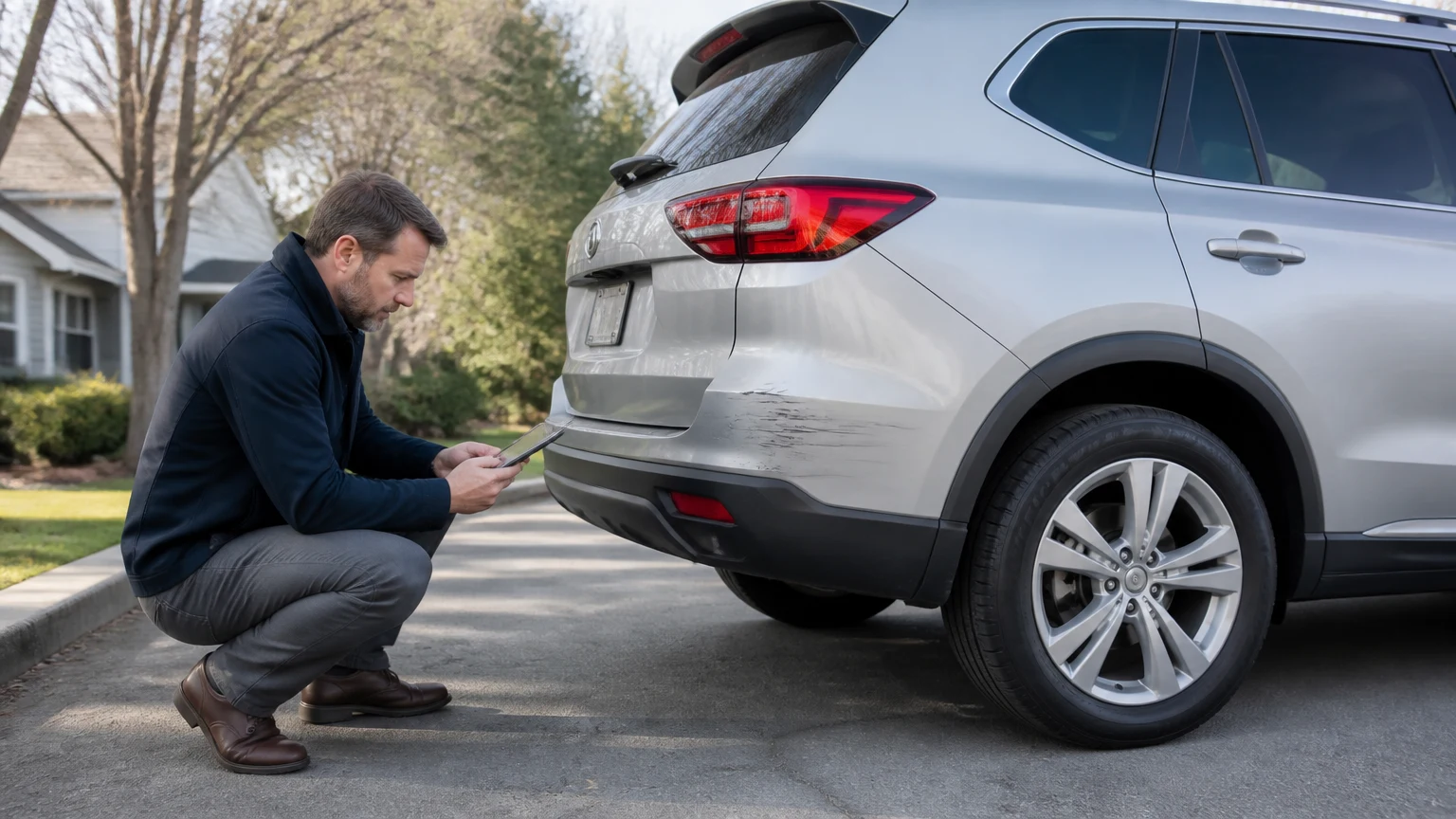
The insurer also evaluates the value of the damage. It may inspect the car in person, request photographs, use a virtual inspection, or review a repair shop’s estimate. An initial estimate is a starting point, not always the final repair amount. If hidden damage appears during repairs, the shop may submit a supplement, which is a request for additional approved repair costs.
If repair costs and vehicle value make repair impractical under the insurer’s method and applicable rules, the vehicle may be treated as a total loss. The insurer then calculates the vehicle’s pre-loss value under its process, applies relevant policy terms, and accounts for items such as the deductible or salvage treatment. An outstanding auto loan does not determine the vehicle’s value, and the claim payment may not equal the loan balance.
From Investigation to Repair, Payment, or Denial
For a related decision, read Car Insurance Claims Timeline: What Happens at Each Step.
The path after investigation depends on the claim type. A vehicle-damage claim may move toward repairs, a total-loss settlement, or a denial. An injury claim can require additional documentation and may remain separate from the property-damage portion. Rental transportation, towing, storage, and damaged personal property are also evaluated under their own coverage terms rather than automatically included.
| Factor or Option | Why It Matters | Main Trade-off | What to Verify |
|---|---|---|---|
| Insurer inspection | Creates the initial damage assessment | Convenient, but hidden damage may not yet be visible | How supplements are handled |
| Repair shop choice | Affects communication and repair workflow | A network shop may simplify coordination; an independent shop may offer more personal preference | Shop authorization, warranty terms, and payment process |
| Rental vehicle | Provides transportation during a covered loss | Daily and total limits may leave out-of-pocket costs | Coverage, limits, eligible dates, and vehicle class |
| Total-loss offer | Determines payment for the vehicle’s pre-loss value | Comparable vehicles and condition adjustments may be disputed | Valuation report, deductible, taxes, fees, and loan payoff |
| Third-party claim | Seeks payment from another driver’s insurer | You may avoid using your coverage, but investigation and payment control differ | Accepted liability and available coverage |
If coverage and the amount are accepted, payment may go to you, the repair shop, a vehicle owner, or a lender, depending on the policy, state rules, and financial interest in the car. A check may name more than one party. Do not assume you can deposit it alone or use all proceeds freely without confirming lender and repair obligations.
If the insurer denies all or part of the claim, request the decision in writing. The explanation should identify the policy language or factual reason supporting the outcome. A denial is different from disagreement over repair price or vehicle value. Your options may include providing missing evidence, requesting internal review, using an appraisal provision when applicable, contacting the state insurance regulator, or consulting a qualified attorney.
Common Mistakes
More context is available in What People Often Get Wrong About Car Insurance Discounts.
- Waiting to report the loss: Delay can make evidence harder to preserve and may conflict with policy notice requirements.
- Throwing away records: Missing photos, receipts, messages, and estimates can make expenses or damage harder to document.
- Authorizing major work too early: Repairs begun before inspection may create disputes over what damage was accident-related or reasonably priced.
- Assuming every expense is covered: Towing, storage, rental charges, upgrades, and personal items may have separate limits or no applicable coverage.
- Accepting a valuation without reviewing it: Incorrect mileage, trim, options, condition, or comparable vehicles can affect a total-loss calculation.
- Ignoring communications: Unanswered requests can slow evaluation, while storage charges or other costs may continue accumulating.
Practical Tips
- Save the claim number. Use it on emails, uploaded documents, estimates, and calls so information reaches the correct file.
- Create a simple timeline. Record the accident, reporting date, inspections, conversations, repair updates, and promised follow-ups.
- Photograph broadly. Preserve vehicle damage, the surrounding scene, relevant road conditions, and damaged property when it is safe and lawful.
- Ask what happens next. Confirm who is handling coverage, damage, injuries, rental arrangements, and communication with other insurers.
- Review estimates line by line. Ask the shop or adjuster about omitted operations, part types, labor differences, and the supplement process.
- Limit avoidable charges. Ask where the car is stored, what fees accrue, and when it should be moved without compromising safety or evidence.
- Keep discussions factual. Describe what you observed without guessing about speed, injuries, mechanical failure, or legal responsibility.
- Request important answers in writing. Written explanations reduce confusion about coverage, approvals, payment amounts, and remaining requirements.
What to Verify Before You Decide
Read the declarations page and relevant policy sections rather than relying only on an insurance card or app summary. Verify which coverages apply, each limit and deductible, exclusions, duties after a loss, rental provisions, and whether the policy includes appraisal or another dispute process. Ask the insurer to identify the controlling language when an answer is unclear.
Before choosing a repair path, verify whether the vehicle is safe to drive with the repair shop, manufacturer guidance, or another appropriately qualified professional. Confirm whether you may select the shop, whether diagnostic work creates charges, how supplements receive approval, and who guarantees repairs. For leased or financed vehicles, review lender or leasing-company requirements before accepting payment or deciding what happens to a total-loss vehicle.
For a total-loss proposal, request the complete valuation report. Check the vehicle identification number, model, trim, drivetrain, mileage, factory equipment, condition adjustments, and listed comparable vehicles. Ask how taxes, title-related charges, prior damage, salvage, and the deductible are treated. Separately confirm the loan payoff with your lender and whether any guaranteed asset protection agreement could apply; that agreement is not the same as auto insurance.
State insurance departments can provide current consumer information and complaint procedures, but they do not replace individualized legal advice. Consider speaking with a licensed attorney when serious injuries, disputed responsibility, an uninsured driver, lawsuit papers, or a consequential coverage dispute is involved. Deadlines can arise from policies, contracts, or law, so do not rely on a general internet timeline.
Frequently Asked Questions
How long does a car insurance claim take?
There is no universal duration. Timing depends on the complexity of the accident, evidence availability, coverage questions, injuries, repair-part availability, shop scheduling, and state claim-handling rules. Ask the adjuster what remains outstanding and when you should expect the next update. Verify any applicable deadlines with the insurer, state regulator, or qualified counsel.
Will filing a claim increase my premium?
It is possible, but filing alone does not determine the result. Insurers may consider fault, claim type, driving history, discounts, state restrictions, and underwriting rules when renewing or pricing coverage. The claims adjuster may not control premium decisions. Ask the insurer or agent how the event may be treated, without assuming they can guarantee a future price.
Can I choose my own repair shop?
Drivers commonly have a choice of repair facility, subject to state law, policy procedures, lender requirements, and practical limits. An insurer may recommend a network shop, but recommendation and legal requirement are not necessarily the same. Verify who handles repair warranties, estimate differences, parts decisions, supplements, and charges that the insurer does not approve.
What if I disagree with the insurer’s decision?
First request the decision, calculations, and supporting policy language in writing. Identify whether the disagreement concerns coverage, fault, repair scope, vehicle value, or another issue, then provide specific contrary evidence. Review the policy’s dispute provisions and your state insurance department’s options. For substantial losses or legal disputes, seek advice from a qualified attorney.
Bottom Line
After you file a car insurance claim, the insurer verifies coverage, investigates the event, evaluates responsibility and damage, and issues a payment decision, settlement proposal, or denial. Your best role is to document the loss, respond promptly, review calculations carefully, and ask for written explanations. Before authorizing repairs or accepting a settlement, verify the policy terms, deductible, valuation, payment recipients, lender requirements, and applicable state procedures.