Short Answer
For useful background, see How to Save on Actual Cash Value Coverage.
When you make a claim under actual cash value coverage, the insurer generally investigates the damage, estimates the cost to repair or replace the property, subtracts depreciation and your deductible, and pays the covered amount. The process may involve inspections, documentation requests, contractor estimates, and payment adjustments. Timing and the final payout depend on the damage, policy terms, and applicable state rules.
Actual cash value, often shortened to ACV, is not necessarily the property’s resale value. In property insurance, it commonly means replacement cost minus depreciation, although policies and states may define or calculate it differently. Depreciation reflects factors such as age, condition, expected useful life, and obsolescence. Your policy’s coverage limits, exclusions, and settlement provisions also affect what you receive.
Key Takeaways
A practical next step is What People Often Get Wrong About Actual Cash Value Coverage.
- An ACV claim usually pays a covered item’s depreciated value rather than the full cost of buying a new equivalent.
- Your deductible is generally subtracted after the insurer calculates the covered loss under the policy’s settlement method.
- Proof of ownership, condition, age, and repair or replacement cost can materially affect the insurer’s evaluation.
- An initial payment may not be the final payment if estimates change or additional covered damage is discovered.
- Claim timing varies with the loss’s complexity, contractor availability, documentation, inspections, and disagreements over scope or value.
- The declarations page, policy form, endorsements, estimate, and claim correspondence should be reviewed together before accepting assumptions about coverage.
How Actual Cash Value Determines a Claim Payout
Another helpful reference is Actual Cash Value Coverage: What It Covers and How It Works.
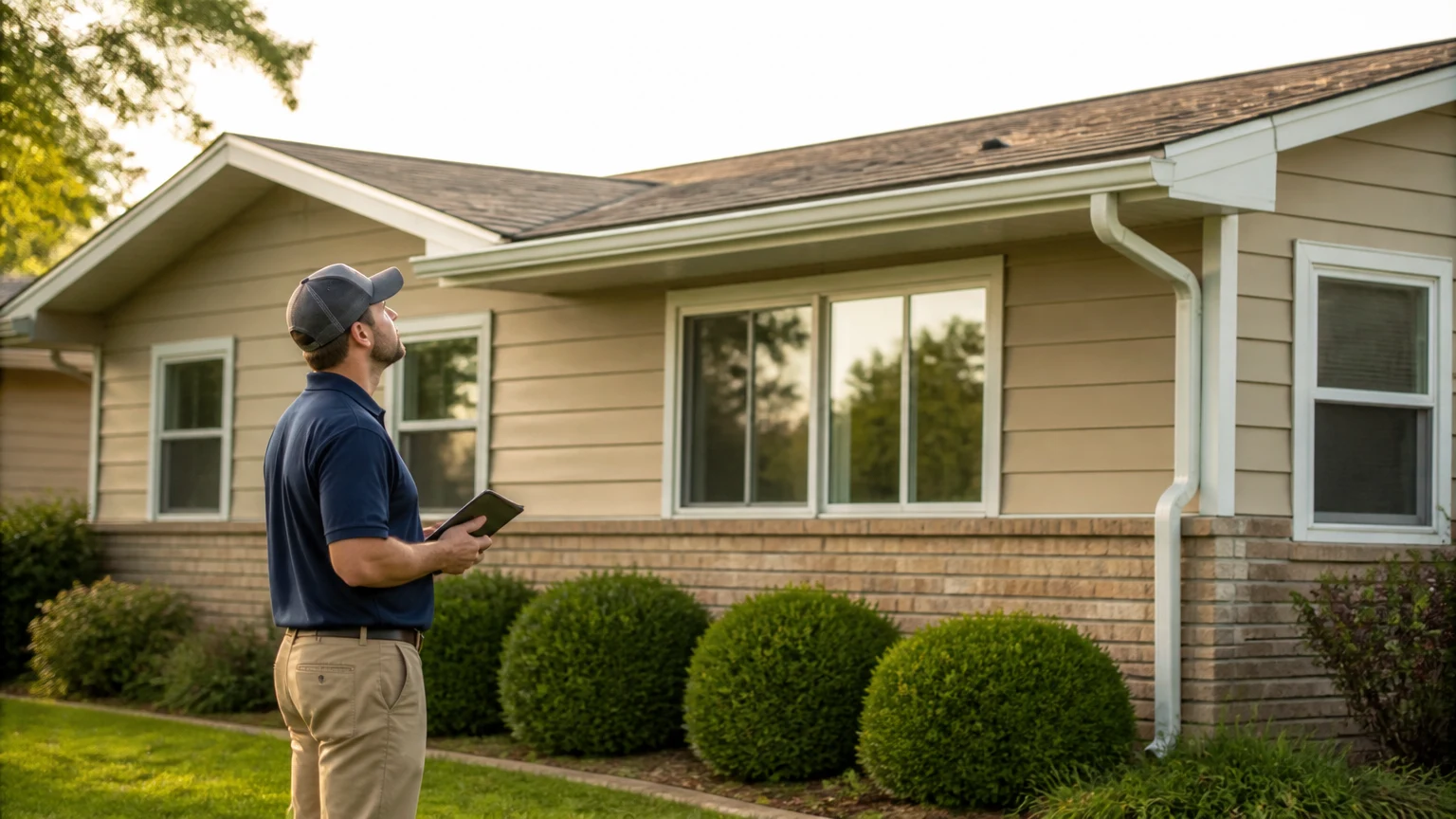
The adjuster first identifies the scope of loss: which property was damaged, what caused the damage, and what work is reasonably necessary. Coverage depends on whether the cause of loss is covered and whether an exclusion, limitation, or special sublimit applies. A damaged roof, for example, may be evaluated differently from personal belongings even within the same claim.
The insurer then estimates repair or replacement cost using available labor, material, and item information. Depreciation may be applied by component rather than as one percentage across everything. An older item in excellent condition might not be treated exactly like a similarly aged item with substantial wear. Policies and claim practices differ, so ask for the calculation rather than assuming age alone determined it.
| Factor or Option | Why It Matters | Main Trade-off | What to Verify |
|---|---|---|---|
| Replacement estimate | Provides the starting cost before deductions | Estimates may differ by scope or materials | Measurements, quantities, labor, and material grade |
| Depreciation | Reduces an ACV settlement | Methods may vary by item and policy | Age, condition, useful life, and calculation |
| Deductible | Represents the policyholder’s share | A special deductible may apply | Declarations and loss-specific endorsements |
| Coverage limit | Caps what the policy can pay | Sub-limits may be lower than broad limits | Limits for the property and loss involved |
| Repairability | Affects whether repair or replacement is estimated | Matching or partial repair can create disputes | Policy wording and applicable state requirements |
A simplified calculation may look like replacement cost minus depreciation, minus the deductible. Real claims can include multiple items, separate limits, emergency services, taxes, code-related work, or uncovered repairs. The insurer’s written estimate should show how major figures were reached.
From Reporting the Loss to Receiving Payment
For a related decision, read What Affects the Cost of Actual Cash Value Coverage?.
Start by reporting the loss through the method your insurer specifies. Give an accurate description without guessing about the cause. Take reasonable steps to prevent additional damage when it is safe, but avoid permanent repairs before the insurer has had an opportunity to document the loss. Save receipts for temporary measures because reimbursement depends on coverage and reasonableness.
The insurer assigns a claim number and usually an adjuster. You may be asked for photographs, videos, inventories, receipts, model information, contractor proposals, or proof of prior condition. For personal property, list each damaged item separately when possible. For building damage, a contractor’s estimate can help identify missing work, but it does not determine what the policy covers.
An inspection may be in person or handled through submitted documentation, depending on the claim. The adjuster reviews cause, scope, pricing, depreciation, limits, exclusions, and the deductible. The insurer then issues a coverage decision, requests more information, or sends an estimate and payment for the amount it considers covered and supported.
Payment timing is not identical for every claim. A small, well-documented loss may move more quickly than widespread storm damage or a claim involving hidden water damage. Mortgage companies may be named on building-damage checks and may control how funds are released. If additional damage appears during repairs, notify the adjuster promptly and request a supplement, meaning a review of added costs or scope.
Common Mistakes
More context is available in Flood Insurance: Common Mistakes That Can Hurt a Claim.
- Discarding damaged property too soon: The insurer may need photographs, identifying information, or an inspection to confirm the item’s condition and value.
- Assuming ACV means market value: That assumption can produce unrealistic payout expectations because policy valuation methods may focus on replacement cost and depreciation.
- Providing only a lump-sum estimate: Missing quantities, materials, and line items make it harder to identify differences between contractor and insurer estimates.
- Ignoring deadlines and messages: Delayed proof-of-loss forms, inventories, inspections, or responses can slow handling and may affect rights under the policy or state law.
- Treating the first estimate as unquestionable: Legitimate omissions can occur, but disagreements should be supported with documents rather than frustration or unsupported totals.
Practical Tips
- Photograph the scene early. Capture wide views, close-ups, labels, serial numbers, and visible conditions before cleanup changes the evidence.
- Create a claim file. Keep the policy, claim number, receipts, inventories, estimates, photographs, emails, and notes together.
- Record conversations. Note the date, representative’s name, topics discussed, requested documents, and promised next step.
- Request an itemized estimate. Review quantities, materials, depreciation, deductible, limits, and omitted areas instead of focusing only on the total.
- Compare scope before price. Two estimates may differ because one includes work, disposal, or materials that the other leaves out.
- Ask specific questions. Request the policy language supporting an exclusion, limitation, depreciation method, or denial you do not understand.
- Report new findings promptly. Pause affected work when practical, document hidden damage, and ask how to submit a supplement before proceeding.
What to Verify Before You Decide
Read the declarations page and the full policy form, including endorsements added or removed at renewal. Confirm whether the damaged property is settled at ACV, whether special limits apply, and which deductible governs the particular cause of loss. Do not rely solely on a coverage summary or an older policy.
Check the insurer’s estimate against photographs, inventories, contractor scopes, and receipts. Ask whether depreciation was applied to labor as well as materials and what policy language or state rule supports that treatment. Verify whether taxes, debris removal, emergency work, matching, code upgrades, and professional fees are covered, limited, or excluded.
If a disagreement remains, review the policy’s appraisal, complaint, and dispute provisions. A licensed insurance professional, qualified contractor, public adjuster where permitted, or attorney can explain different aspects, but licensing and fees should be verified. Your state insurance department can provide current consumer guidance and complaint procedures.
Frequently Asked Questions
Can an actual cash value payout buy a brand-new replacement?
It might contribute toward one, but ACV coverage generally does not promise the full price of a new equivalent. Depreciation and the deductible can leave a gap that you pay yourself. The result also depends on limits, exclusions, local pricing, and whether the insurer’s estimate accurately reflects the covered item’s characteristics.
Can I dispute the insurer’s depreciation calculation?
You can ask for an itemized explanation and submit evidence supporting a different age, condition, quality, useful life, or replacement cost. Useful records may include dated photographs, receipts, maintenance records, model details, and contractor documentation. Available dispute options depend on the policy, state law, and the nature of the disagreement.
Will the insurer pay before repairs are completed?
Insurers commonly issue ACV payments after evaluating covered damage, even if permanent repairs are not complete, but practices and policy terms vary. A lender named on a check may require inspections or staged disbursements. Ask the adjuster and mortgage servicer what documentation, signatures, and repair milestones they require.
What happens if the repair cost is higher than the estimate?
Give the insurer a detailed contractor estimate showing the differences and request a supplemental review. Higher cost alone does not establish coverage; the added work must generally relate to covered damage and fit the policy terms. Document hidden conditions before they are repaired or concealed whenever safely possible.
Bottom Line
An actual cash value claim is a documented valuation process, not simply a reimbursement for whatever replacement costs. The insurer determines covered damage, estimates repair or replacement, applies depreciation and relevant limits, and subtracts the deductible. You can improve the process by preserving evidence, submitting organized records, comparing estimate details, and asking for written explanations.
Before accepting a claim decision as complete, verify the policy wording, depreciation calculations, scope, deductible, limits, and any lender requirements. If something appears missing, raise it promptly with supporting documents and use the policy’s available review or dispute process.