Short Answer
For useful background, see How to Save on Full Coverage Car Insurance.
When you make a claim under full coverage car insurance, the insurer reviews what happened, confirms which coverage applies, evaluates the damage, subtracts any deductible, and pays covered costs up to the policy limits. Timing and payment depend on the accident, available evidence, repair complexity, state rules, and policy terms. Full coverage does not mean every loss is covered.
Your role is to report the incident promptly, prevent additional damage when safely possible, document the loss, cooperate with reasonable requests, and review the insurer’s estimate or settlement explanation. Before accepting a payment, confirm whether it covers repairs, a total loss, a rental vehicle, injuries, or another specific expense.
Key Takeaways
A practical next step is Mistakes to Avoid With Full Coverage Car Insurance.
- Full coverage is informal language. It typically means liability, collision, and comprehensive coverage, not unlimited protection.
- The cause of damage controls coverage. Collision and comprehensive apply to different types of losses.
- A deductible may reduce payment. It usually applies to damage to your vehicle, depending on the coverage used.
- Claim timing varies. Disputes, missing information, injuries, parts availability, and multiple vehicles can extend the process.
- The insurer’s first estimate may change. A repair shop may identify hidden damage after disassembly.
- Documents matter. Photos, reports, receipts, estimates, and policy records can support an accurate review.
What Full Coverage Actually Pays For
Another helpful reference is Full Coverage Car Insurance: What It Covers and How It Works.
Full coverage is not a standardized policy type. People commonly use the term for a policy combining state-required liability insurance with collision and comprehensive coverage. A lender or leasing company may require both physical-damage coverages, but its requirements do not expand what the policy covers.
Liability coverage generally addresses covered injuries or property damage you cause to others. Collision coverage generally addresses damage to your insured vehicle from impact with another vehicle or object, subject to its terms and deductible. Comprehensive coverage generally addresses specified noncollision losses, such as theft, vandalism, falling objects, or certain weather damage.
Other protections—such as medical payments, personal injury protection, uninsured or underinsured motorist coverage, rental reimbursement, roadside assistance, and gap coverage—are separate from liability, collision, and comprehensive coverage. Availability, eligibility, limits, deductibles, and exclusions vary. Review your declarations page and policy terms, then verify applicable state requirements and coverage details with your insurer or agent.
| Factor or Option | Why It Matters | Main Trade-off | What to Verify |
|---|---|---|---|
| Liability coverage | May pay covered claims made by other people | Does not repair your own car | Limits, exclusions, defense terms |
| Collision coverage | May cover impact damage to your vehicle | Deductible applies; value limits payment | Deductible, covered vehicle, exclusions |
| Comprehensive coverage | May cover qualifying noncollision damage | Not every external event qualifies | Covered causes, deductible, glass terms |
| Rental reimbursement | May help during covered repairs | Daily and total limits may apply | Eligibility, limits, approved duration |
| Actual cash value | Often guides total-loss valuation | May be below a loan balance or replacement cost | Vehicle details, adjustments, valuation method |
From Accident Report to Claim Payment
For a related decision, read What Affects the Cost of Full Coverage Car Insurance?.
First, address immediate safety. Move out of traffic if it is safe and permitted, seek medical help when needed, and contact law enforcement when required or appropriate. Exchange necessary information without speculating about fault. Photograph vehicle positions, damage, road conditions, license plates, and relevant surroundings when doing so is safe.
Next, notify the insurer using its approved reporting method. Provide the date, location, vehicles involved, basic event description, witness information, police report details if available, and photos. Reporting a claim starts an investigation; it does not automatically establish fault or guarantee payment.
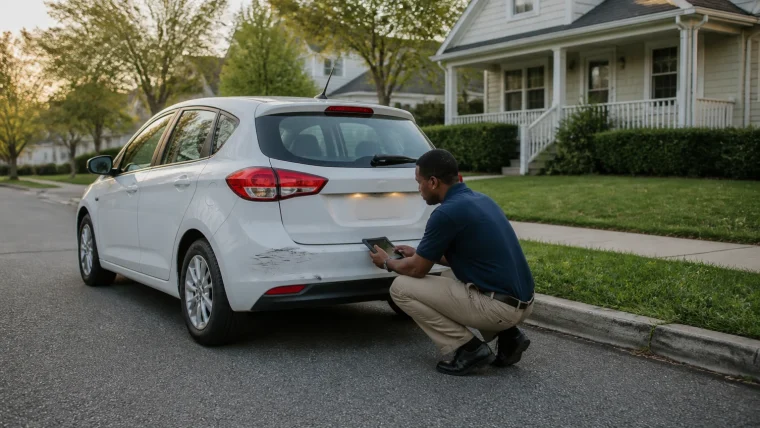
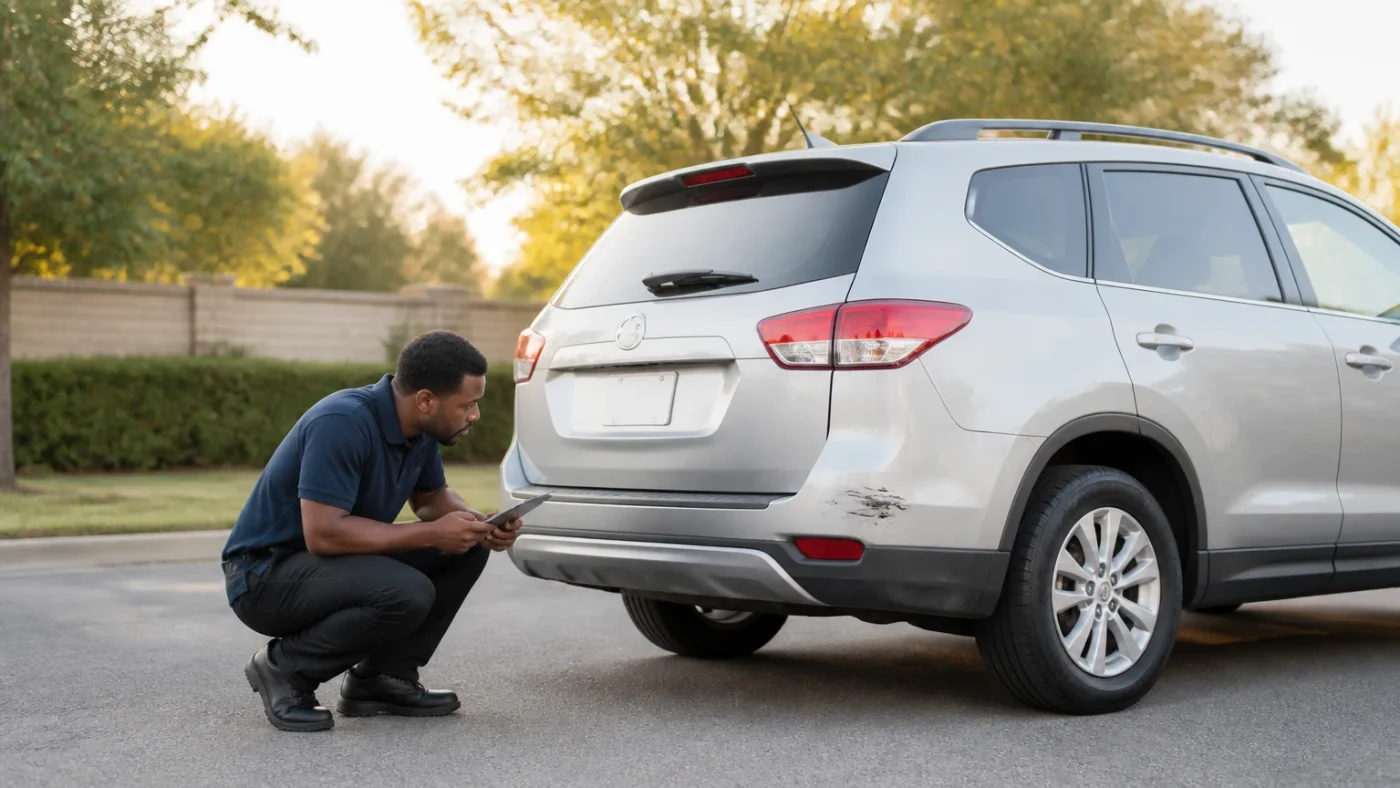
An adjuster then reviews coverage and facts. The adjuster may request statements, inspect the vehicle, contact other drivers, review reports, or arrange an estimate. For your vehicle, the insurer may propose a repair amount, request additional documentation, or determine that the car is a total loss when repair is not economically reasonable under its standards and applicable rules.
Repair estimates can develop. If a shop uncovers related hidden damage, it may submit a supplemental estimate for insurer review. Do not assume every added repair will be approved. Ask whether the shop and insurer have agreed on labor, parts, procedures, and payment before authorizing work that you cannot afford independently.
Payment may go to you, the repair shop, a lender, a leasing company, another claimant, or several parties. The recipient depends on coverage, vehicle ownership, financing, state requirements, and policy language. A deductible is generally your responsibility rather than a separate bill paid by the insurer.
Common Mistakes
More context is available in What People Often Get Wrong About Auto Liability Coverage.
- Assuming full coverage covers everything: Exclusions, limits, deductibles, and optional coverages still control, so an uncovered expense can remain yours.
- Delaying the report: Delay can make evidence harder to preserve and may conflict with policy notice duties.
- Admitting fault or guessing: Incomplete roadside information can be inaccurate. Report observable facts and let insurers assess responsibility.
- Discarding receipts and photos: Missing records can make towing, temporary transportation, property, or damage questions harder to evaluate.
- Starting major repairs immediately: The insurer may need an inspection, and unauthorized costs may not be fully reimbursed.
- Accepting a valuation without checking details: Wrong mileage, trim, options, condition, or comparable vehicles can affect a total-loss calculation.
Practical Tips
- Save your insurer’s claim number, adjuster contact information, and reporting instructions in one place.
- Write a factual event summary while details are fresh. Separate what you observed from what someone else stated.
- Photograph damage before repairs, including wide views and close-ups, without entering unsafe traffic or damaged areas.
- Ask which coverage is being considered, which deductible applies, and whether payment could affect any remaining claim issues.
- Request written estimates and explanations. Compare the insurer’s document with the repair shop’s proposed work.
- Track calls, messages, submitted records, rental dates, towing charges, and out-of-pocket expenses.
- Review total-loss vehicle details carefully, then provide reliable documentation for corrections or relevant features.
- Ask before signing a release, transferring title, disposing of damaged property, or agreeing to a final injury settlement.
What to Verify Before You Decide
Read the declarations page, coverage forms, endorsements, exclusions, deductibles, and limits. The declarations page summarizes selected coverage, but the full contract supplies definitions and conditions. Confirm whether rental reimbursement, towing, original-equipment parts provisions, glass treatment, uninsured motorist property damage, or gap protection actually applies.
Ask the insurer how it determined fault, repair scope, depreciation, or actual cash value. For a financed or leased vehicle, contact the lender or leasing company about payment, repairs, title handling, and any remaining balance. Gap coverage may address certain differences, but only under its contract.
State insurance rules and claim procedures vary. For unresolved questions, use your insurer’s written appeal or review process and consult your state insurance department. Injury disputes, liability conflicts, or release documents may justify advice from a qualified attorney. Repair safety questions belong with a properly licensed or qualified repair professional.
Frequently Asked Questions
Will filing a full coverage claim increase my premium?
It may, but an increase is not automatic. Insurers can consider claim type, fault, claim history, state restrictions, discounts, and underwriting rules. Ask the insurer how the event may affect renewal, pricing, or a claim-free discount; future rates generally cannot be guaranteed.
How long does a car insurance claim take?
There is no universal timeline. Straightforward damage with clear coverage may move faster than a claim involving injuries, disputed fault, theft, multiple insurers, unavailable parts, or hidden damage. Ask for the next required step, responsible contact, and expected update rather than assuming a fixed completion date.
Can I choose my own repair shop?
Choice rights and procedures vary by state. An insurer may recommend a network shop, while you may have other options. Verify who guarantees repairs, whether the shop accepts the insurer’s estimate, how supplements are handled, and whether you could owe differences not approved under the policy.
What happens if the car is totaled but I still owe money?
The insurer generally bases a covered total-loss payment on the policy’s valuation terms, then accounts for the deductible and lienholder interest. The loan balance does not set the car’s value. If payment is below the payoff amount, you may owe the difference unless applicable gap coverage pays it.
Bottom Line
A full coverage claim moves through reporting, coverage review, investigation, damage evaluation, and payment or denial. The label full coverage matters less than the actual policy. Document the event, communicate promptly, compare estimates, and question unclear calculations. Before authorizing repairs or accepting a final settlement, verify deductibles, limits, exclusions, valuation details, payment recipients, and any obligations to a lender or leasing company.