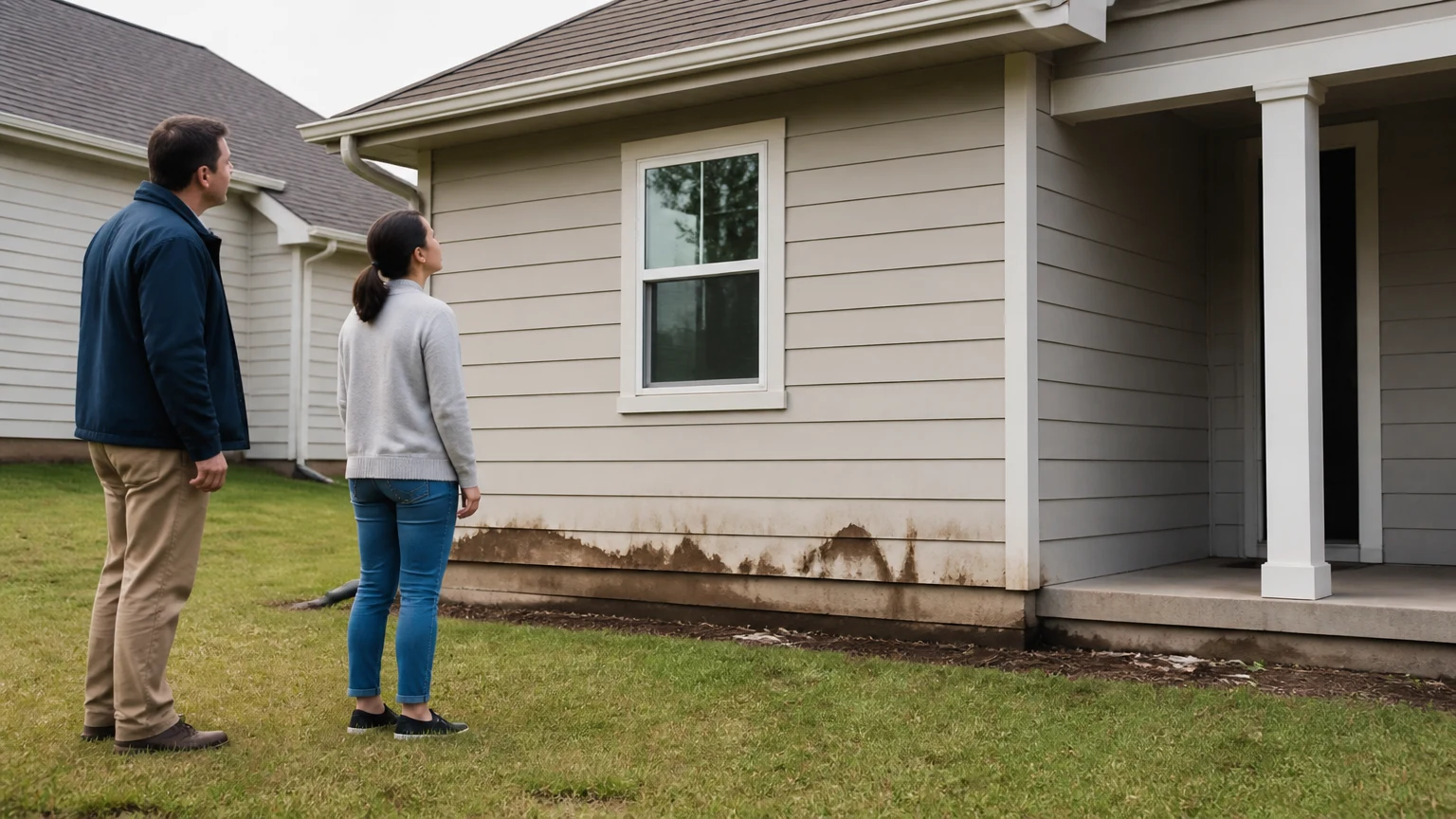
Short Answer
For useful background, see How to Save on Water Damage Coverage Without Cutting Key Protection.
When you make a water damage claim, you generally stop the active leak if it is safe, document the damage, notify your insurer promptly, prevent additional loss, and work with an adjuster. Whether the claim is covered and how much is paid depend on the water’s source, how suddenly the damage occurred, your policy terms, repair estimates, deductible, limits, and settlement method.
Home insurance commonly distinguishes sudden, accidental water damage from flooding, long-term seepage, maintenance problems, and certain backup events. For example, damage from an abruptly failed supply line may be treated differently from damage caused by months of leakage or water entering from an overflowing river. Coverage for the damaged building may also differ from coverage for the pipe, appliance, or system that caused the loss.
Do not wait for an adjuster before taking reasonable emergency measures, but avoid permanent repairs or discarding damaged property until the insurer has explained its documentation requirements. Policy language, state rules, and claim procedures vary, so use your declarations page, full policy, endorsements, insurer instructions, and licensed contractors to confirm what applies.
Key Takeaways
A practical next step is What People Often Get Wrong About Water Damage Coverage.
- The source matters: A burst interior pipe, sewer backup, roof opening, groundwater, and gradual leak can fall under different coverage rules.
- Act promptly: Report the event and dry affected areas as soon as safely possible because delays can worsen damage and complicate the claim.
- Preserve evidence: Photos, videos, damaged-item records, repair estimates, receipts, and a communication log can support the cause and claimed amount.
- Coverage and payment are separate questions: An insurer may recognize a covered event but pay less than the total estimate because of deductibles, limits, exclusions, depreciation, or disputed work.
- Emergency work is not automatic approval: You may need mitigation immediately, but signing a broad restoration contract can create obligations beyond what insurance pays.
- Read every decision: If coverage or part of the estimate is denied, request the relevant policy language and a clear written explanation.
What Determines Whether Water Damage Is Covered
Another helpful reference is Water Damage Coverage: What It Covers and How It Works.
The starting point is the event that introduced the water. A homeowners policy may cover resulting damage from a sudden and accidental discharge inside the home, subject to its wording. It may exclude or restrict surface water, groundwater, repeated seepage, wear, deterioration, mold, neglect, or water that backs up through drains. Separate flood insurance or an optional water-backup endorsement may address some events excluded by the base policy.
Resulting damage means damage caused by an event, such as wet drywall after a plumbing failure. It does not necessarily include repairing the worn pipe or defective appliance itself. Access costs, mold remediation, code upgrades, matching materials, personal property, additional living expenses, and cleanup can each have separate conditions or limits.
| Factor or Option | Why It Matters | Main Trade-off | What to Verify |
|---|---|---|---|
| Sudden plumbing discharge | The timing and cause can support coverage for resulting damage | The failed component itself may not be covered | Cause-of-loss findings and policy exclusions |
| Gradual leak | Long-term seepage is often restricted or excluded | Hidden damage can make the start date uncertain | Inspection evidence and repeated-leak wording |
| Flood or surface water | Standard home insurance commonly treats it separately | Separate coverage has its own limits and deductible | Flood policy documents and event definition |
| Sewer or drain backup | Coverage may require a specific endorsement | Sublimits may be lower than the home limit | Endorsement, limit, deductible, and exclusions |
| Replacement-cost settlement | Recoverable depreciation may be available after repairs | Part of payment may be withheld initially | Deadlines, receipts, and settlement conditions |
From First Notice to Final Claim Payment
For a related decision, read Water Damage Coverage Cost Guide: What Changes the Premium.
First, address immediate safety issues. Avoid standing water near electrical sources, unstable ceilings, contaminated water, or damaged structural areas. Contact emergency services, utilities, or qualified professionals when necessary. Take reasonable steps to stop additional damage, such as shutting off a safe, accessible water supply and arranging water extraction.
Next, notify the insurer or agent and obtain a claim number. Be accurate about what you observed without guessing at a technical cause. Ask what emergency work is authorized, whether an inspection is needed before demolition, and how to submit inventories, estimates, and receipts. Keep samples or detailed images of removed materials when retaining everything is impractical.
An adjuster then investigates the cause, scope, and policy response. The adjuster may inspect the property, interview occupants, review plumber or restoration reports, and prepare an estimate. The insurer may request a sworn proof of loss or other forms. Respond by the stated deadlines, but ask questions before signing anything you do not understand.
If coverage applies, payment may come in stages. The first building payment can reflect the approved amount minus the deductible and depreciation. Additional amounts may become available after covered repairs are completed and documented. A mortgage company may be named on a building-damage check and may control how funds are released. Personal property and temporary living costs can follow different payment processes.
Common Mistakes
More context is available in Mistakes That Can Hurt Roof Insurance Claims.
- Waiting to report the loss: Delay may allow damage to spread and can make the original cause harder to establish.
- Cleaning before documenting: Removing wet materials without photos, measurements, samples, or professional records can leave insufficient evidence.
- Assuming all water is treated alike: Policies may distinguish plumbing discharge, weather entry, backup, seepage, and flood by source and direction.
- Signing restoration paperwork too quickly: An assignment, financing agreement, or work authorization may make the homeowner responsible for charges the insurer disputes.
- Using the insurer’s estimate as a repair guarantee: Hidden damage, local labor conditions, and code requirements may change the actual scope, while not every added cost is covered.
- Discarding denial or underpayment letters: These documents identify the insurer’s reasoning, deadlines, and policy provisions needed for a meaningful response.
Practical Tips
- Photograph the path of water. Capture the suspected source, each affected room, water lines, damaged finishes, and personal property from wide and close views.
- Create a claim timeline. Record when the damage was discovered, who responded, what emergency actions occurred, and when conversations took place.
- Separate mitigation from reconstruction. Ask contractors to itemize emergency drying, demolition, cleaning, rebuilding, contents handling, and storage rather than presenting one unexplained total.
- Request detailed estimates. Compare quantities, material grades, labor tasks, and room measurements instead of comparing only bottom-line totals.
- Track temporary expenses. Keep receipts and note why each expense was necessary; ordinary household spending may not qualify for reimbursement.
- Ask about depreciation. Determine whether the settlement uses replacement cost or actual cash value and what is required to claim any recoverable amount.
- Communicate disagreements in writing. Identify the missing work or disputed conclusion, provide supporting records, and request a written response tied to the policy.
What to Verify Before You Decide
Review the declarations page for deductibles, dwelling and personal-property limits, endorsements, and named insureds. Then check the full policy definitions and exclusions for water, flood, seepage, backup, mold, vacancy, duties after loss, loss-settlement terms, and suit or dispute deadlines. A declarations page alone does not contain every condition.
Before selecting a contractor, verify licensing where required, insurance, references, payment terms, cancellation rights, warranties, and who controls communication with the insurer. Confirm whether the contract authorizes only emergency mitigation or full reconstruction. Ask the insurer whether it needs additional inspections before damaged areas are closed.
For a major or disputed loss, consider guidance from the insurer, a licensed contractor, plumber, engineer, public adjuster where permitted, or an attorney familiar with state insurance law. Verify credentials and fees independently. Your state insurance department can provide current consumer information and complaint procedures, but it does not replace policy-specific advice.
Frequently Asked Questions
How long does a water damage claim take?
There is no universal timeline. A straightforward loss with a clear cause and complete documentation may move faster than one involving hidden moisture, multiple contractors, extensive personal property, contamination, or a coverage dispute. State claim-handling rules and insurer procedures also differ. Ask for upcoming steps, required documents, and expected response points in writing rather than relying on an informal completion estimate.
Will filing a claim increase my premium?
A claim can affect future pricing or underwriting, but the result is not automatic and cannot be predicted from the loss alone. Insurers may consider claim history, cause, severity, location, property condition, and state rules. Before filing a small claim, compare the likely covered amount with your deductible, but do not delay reporting while active damage continues or a policy deadline approaches.
What if the insurer’s estimate is lower than the contractor’s?
Compare the scopes line by line. Differences may involve measurements, labor, material quality, drying duration, demolition, code work, overhead, or items the insurer considers uncovered. Ask the contractor to explain and document each difference, then send the information to the adjuster. Do not assume the insurer must accept every contractor charge or that the first estimate is final.
Can I choose my own water restoration company?
Homeowners can typically ask about using a contractor they select, though policy terms, managed-repair programs, lender requirements, and state rules may affect the process. An insurer’s referral does not eliminate the need to review the contract. Confirm responsibility for charges, work standards, payment direction, deductibles, warranties, and what happens if the insurer approves less than the contractor bills.
Bottom Line
A successful water damage claim depends on more than showing that something became wet. The cause, timing, policy language, mitigation efforts, evidence, repair scope, and settlement terms all shape the result. Protect people first, prevent additional damage when safe, document thoroughly, and report the loss promptly.
Before accepting a payment or authorizing major reconstruction, confirm what is covered, what remains excluded, how the deductible and depreciation were applied, whether additional funds can be requested, and which deadlines apply. Keep decisions grounded in the written policy, claim correspondence, qualified assessments, and current state-specific guidance rather than assumptions about how water claims usually work.